

These slam ball exercises give you ten step-by-step ways to train power, core strength, coordination, and conditioning. You'll get an adjustable slam ball workout, beginner-friendly load guidance, and clear form checks so every rep has a purpose.
Use this guide to choose a movement, match it to your goal, and scale the challenge without sacrificing control. Let's move.
Key Takeaways: Slam Ball Exercises for Power and Conditioning
-
Slam ball exercises can train power when reps stay fast, crisp, and controlled, or conditioning when short intervals preserve posture and rhythm.
-
Beginners should choose a lighter ball that preserves speed and technique, then progress range, reps, speed, or load one variable at a time.
-
Bounce-resistant balls should settle before retrieval, and every session needs clear space plus stable, impact-tolerant flooring.
-
TRX Training offers a dedicated slam-ball collection, giving readers purpose-built options to compare after choosing a load they can move with control.
What Are Slam Balls?
Slam balls, often called dead balls or power balls, are weighted training tools built for forceful throws and ground slams. Unlike traditional medicine balls, they use a durable shell and a fill that limits rebound, so you can put intent into the throw without chasing the ball across the room.
TRX Training's slam ball has a sand-filled inner shell, a double-walled interior, a textured tread, and bounce-resistant construction. Many medicine balls are designed for catches, passes, or a controlled rebound. A slam ball is the better fit when the movement ends on the floor and you want the ball to settle before the next rep.
Why Should You Use Slam Balls in Your Workout?
Slam balls let you train fast, coordinated force with your whole body. They make it easy to change the purpose of a session. Use low-rep, high-quality slams for power, or longer, controlled intervals for conditioning.
The American Council on Exercise recommends moving as fast as possible with control when power is the goal. Its current medicine-ball programming guidance separates crisp power sets from conditioning intervals and recommends ending a set when speed, accuracy, or form starts to fade.
That distinction matters because a power set should feel sharp, not exhausting. A conditioning interval can be more continuous, but you should still own your posture, breathing, and rhythm. Explore medicine ball throws for explosive power when catches, passes, or wall work fit your goal better than floor slams.
How Heavy Should Your Slam Ball Be?
Choose the load by the task, not by ego. Slam ball exercises for beginners should start with a lighter ball that lets you learn the pattern, move quickly, and keep your trunk organized. Add weight only when your posture, control, and speed stay consistent from the first rep to the last.
The current TRX Slam Ball range runs from 6 to 30 pounds. Use a lighter option for fast slams, new skills, and longer intervals. A heavier ball can fit slower strength-focused work, but scale back if it changes your stance, pulls you out of position, or turns a crisp throw into a slow grind.
Before You Start
Set up the space before you start moving. These checks help you keep the focus on clean reps instead of surprises underfoot.
-
Clear enough room overhead, in front of you, and around anyone training nearby.
-
Use a stable, impact-tolerant floor and shoes with dependable traction.
-
Do not use the TRX Slam Ball on concrete or pavement, according to the current product specifications.
-
Reduce the load, range, or pace if you feel pain or dizziness, lose balance, see uncontrolled rebound, or repeatedly lose form.
If you have a health condition, an injury, or concerns about starting a new exercise routine, check with your healthcare provider first.
Best Slam Ball Exercises
These ten slam ball exercises cover power, rotation, lower-body strength, core training, and full-body conditioning. Choose the movement that fits your goal, then progress only while every rep stays controlled.
Want a more personalized starting point? Our quick assessment quiz can help you build a workout plan around your fitness level and goals.
TAKE OUR TRAINING QUIZ
10. Overhead Slam
The Overhead Slam is the classic full-body slam ball exercise. It links a strong hip hinge and braced trunk with an overhead reach and a direct throw into the floor.
Power is the focus. Your glutes, hamstrings, core, lats, shoulders, and arms do the work.
Scale down with a lighter ball and a full reset. Scale up by adding speed without losing a crisp rep.
Here's how to do an overhead slam.
-
Stand with your feet hip- to shoulder-width apart and hold the ball at chest level.
-
Brace your core, shift your hips back slightly, and keep your spine long.
-
Drive through the floor as you extend your hips and bring the ball overhead.
-
Hinge from the hips and slam the ball straight down in front of you while keeping your trunk braced. ACE's overhead-slam guide reinforces the hip-hinge, trunk-bracing, and stable-floor cues used here.
-
Let the bounce-resistant ball settle, retrieve or re-grip it, reset your stance, and repeat.
9. Russian Twist
The Russian twist is a weighted ab exercise that trains controlled rotation through the trunk. It fits naturally alongside other slam ball core exercises because you can scale it by changing the load, range, or foot position.
Rotational core control is the goal. Your abs, obliques, hip flexors, and lower back do the work.
Keep both feet down to make it easier. Lift them only if you can keep your torso steady.
Here's how to do a Russian twist.
-
Sit with your knees bent and feet flat, holding the ball in front of your chest.
-
Lean back slightly while keeping your chest lifted and your spine long.
-
Brace your core. Keep your feet planted, or lift them if you can hold the position without rounding your back.
-
Rotate your rib cage and shoulders to bring the ball toward one hip.
-
Return through the center, then rotate toward the other hip.
-
Continue side to side with a range you can control.
8. Slam Ball Squat Throw
With a bounce-resistant ball, perform a squat-to-slam instead of throwing the ball overhead and behind you. You still train powerful leg drive, but the ball stays in a clear path where you can see it land.
This move focuses on lower-body power through the quads, glutes, hamstrings, core, shoulders, and arms. A shallower squat and lighter ball make it easier. To progress, add intent without forcing more range, and keep the landing area clear.
Here's how to do a slam ball squat-to-slam.
-
Stand with your feet about shoulder-width apart and hold the ball at chest level.
-
Sit into a squat while keeping your chest lifted, knees tracking with your toes, and feet grounded.
-
Drive through the floor to stand and guide the ball overhead in a controlled path.
-
Hinge at the hips and slam the ball straight down in front of you.
-
Let the ball settle, retrieve it, reset your stance, and repeat.
7. Lunge With Twist
The lunge with twist combines a lower-body strength pattern with controlled rotation. Move through the legs first, then rotate through your upper back without letting the front knee collapse inward.
Lower-body strength and rotation lead this move. Your quads, hamstrings, glutes, abs, and obliques do the work.
Shorten the lunge and twist to scale down. Add load only after both sides feel steady.
Here's how to do a lunge with a twist.
-
Stand with your feet hip-width apart and hold the ball at chest level.
-
Step forward with your right foot and lower into a lunge using a comfortable range.
-
Keep your hips facing forward as you rotate your rib cage and the ball toward the right.
-
Rotate back to center, then push through your front foot to stand.
-
Repeat on the left side.
-
Continue alternating while keeping your balance and posture consistent.
How Do You Progress Slam Ball Exercises Without Losing Speed?
Progress slam ball exercises by changing one variable at a time, then keeping the rep quality that earned the change.
Start with range and control. Once your stance, hinge, and landing point stay consistent, add speed, a few reps, or a small weight increase. Do not raise all three at once.
The TRX® Slam Ball line runs from 6 to 30 pounds, giving you room to make small, task-based changes. Move up only when the heavier ball still lets you finish with the same posture, accuracy, and intent.
6. Slam Ball Sit-Ups
Slam ball sit-ups add load and coordination to a familiar core movement. This is one of the more advanced slam ball core exercises, so master a controlled weighted sit-up before adding the release.
Trunk flexion and coordination are the focus. Your abs, obliques, hip flexors, shoulders, and arms do the work.
Reach the ball toward your feet to scale down. For more challenge, pass it to a ready partner from the top position.
Here's how to do slam ball sit-ups.
-
Lie on your back with your knees bent, feet planted, and the ball held against your chest.
-
Brace your core and curl your upper body toward your knees without pulling your head forward.
-
At the top, either reach the ball toward your feet or release it into a clear landing area in front of you.
-
If you release the ball, let it settle and retrieve it before lowering with control. Do not try to catch a bounce-resistant ball on the rebound.
-
Reset the ball at your chest and repeat for the planned number of reps.
5. Figure 8s
Slam ball figure eights challenge your core, legs, grip, and hand-eye coordination. Staying low in the squat asks your lower body to hold a steady position while the ball moves.
This drill targets coordination and core endurance through the quads, glutes, abs, obliques, forearms, and shoulders. Stand taller and slow the passes to make it easier. Sit lower only if your knees and torso stay aligned.
Here's how to do figure eights.
-
Stand with your feet wider than hip-width and hold the ball in front of you.
-
Sit into a squat depth you can hold with your feet planted and chest lifted.
-
Pass the ball from your right hand to your left hand under your left thigh.
-
Bring the ball through the center and pass it from your left hand to your right hand under your right thigh.
-
Continue the figure-eight pattern with smooth, controlled passes.
4. Reverse Lunge to Twist Pass
Grab a workout partner for a movement that challenges balance, lower-body control, and rotation. The reverse lunge to twist pass can support hip mobility and adds a partner element to functional fitness.
Partner coordination and rotational strength drive this exercise. Your quads, glutes, hamstrings, abs, obliques, shoulders, and arms all contribute.
Practice without the pass first. Add speed only after both partners can receive the ball cleanly.
Here's how to do a reverse lunge to twist pass.
-
Stand with your feet hip-width apart and hold the ball at chest level.
-
Step your right foot back and lower into a reverse lunge using a stable range.
-
Rotate your rib cage to the left and pass the ball to your partner with control.
-
Rotate back to center and push through your front foot to stand.
-
Repeat the lunge and receive the ball at the bottom only when both partners are set.
-
Complete the planned reps, then turn to face the opposite direction and repeat on the other side.
3. Slam Ball Overhead Lunges
Slam ball overhead lunges combine a lunge with an overhead hold. The ball position increases the demand on your trunk and shoulders, so choose a load that lets you keep your ribs stacked over your hips.
Lower-body strength and overhead stability share the workload here. Your quads, hamstrings, glutes, core, and shoulders stay active.
Hold the ball at your chest to scale down. Progress to a longer walking pattern without changing your posture.
Here's how to do a slam ball overhead lunge.
-
Stand with your feet hip-width apart and hold the ball at chest level.
-
Brace your core and press the ball overhead without flaring your ribs.
-
Step forward with your right foot and lower into a lunge using a comfortable range.
-
Keep your chest lifted, shoulders active, and front foot grounded.
-
Push through your front foot to stand.
-
Repeat on the left side.
-
Continue alternating while keeping the ball steady overhead.
What Surface Is Best for Slam Ball Exercises?
Rubber gym flooring or another stable, impact-tolerant surface is the best place for slam ball exercises.
Avoid slick floors, loose mats, and any area where the ball can strike nearby equipment or people. Check the landing zone before each set, especially during rotational or partner drills.
TRX Training says its Slam Ball should not be used on concrete or pavement. Match the surface to that guidance, let the ball settle after each slam, and scale down if the landing becomes unpredictable.
2. Slam Ball Burpee
The slam ball burpee combines a plank, squat, stand, and slam in one full-body sequence. Move deliberately through each position before you add speed.
Full-body conditioning is the goal. Your chest, shoulders, arms, core, quads, glutes, and hamstrings all join in.
Step back and forward instead of jumping to scale down. Add pace only while the plank and slam stay controlled.
Here's how to do a slam ball burpee.
-
Stand with your feet about shoulder-width apart and hold the ball at chest level.
-
Squat and place the ball on the floor, keeping both hands on it.
-
Step or jump your feet back into a plank with a straight line from head to heels.
-
Step or jump your feet toward your hands and return to the squat.
-
Stand, drive the ball overhead, and keep your core braced.
-
Slam the ball straight down in front of you.
-
Let it settle, reset, and repeat.
1. Slam Ball V-Ups
Slam ball V-ups train the upper and lower abs together while challenging the hip flexors and your ability to control the ball. Among slam ball core exercises, this variation demands plenty of coordination, so use a light load and a smooth tempo.
Core strength and ball control lead this move. Your abs, hip flexors, shoulders, and inner thighs do the work.
Use a bent-knee tuck and keep the ball in your hands to scale down. Pass it between your hands and feet only when you can stay in control.
Here's how to do a slam ball V-up.
-
Lie on your back with your legs extended and hold the ball overhead in both hands.
-
Lift your legs and upper body together to create a V shape.
-
At the top, pass the ball from your hands to your feet and secure it between your ankles.
-
Lower your upper body and legs with control.
-
Lift again and pass the ball from your feet back to your hands.
-
Continue alternating while keeping each rep smooth.
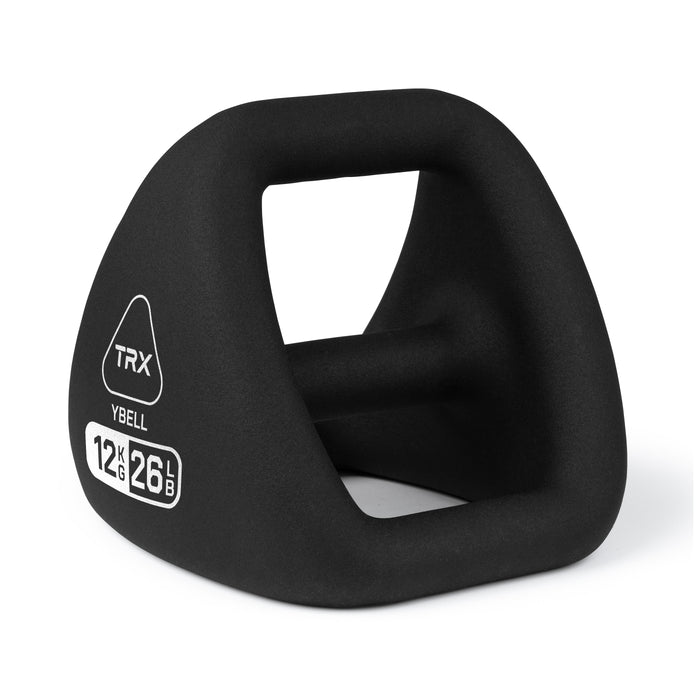
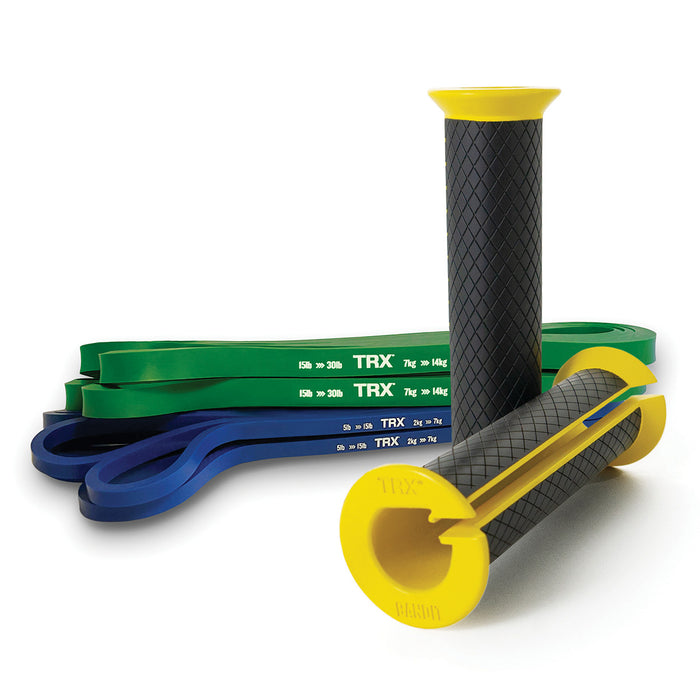
Round out your training setup with more tools for strength, power, and resistance work.
If you don't have a slam ball, pick one up today:
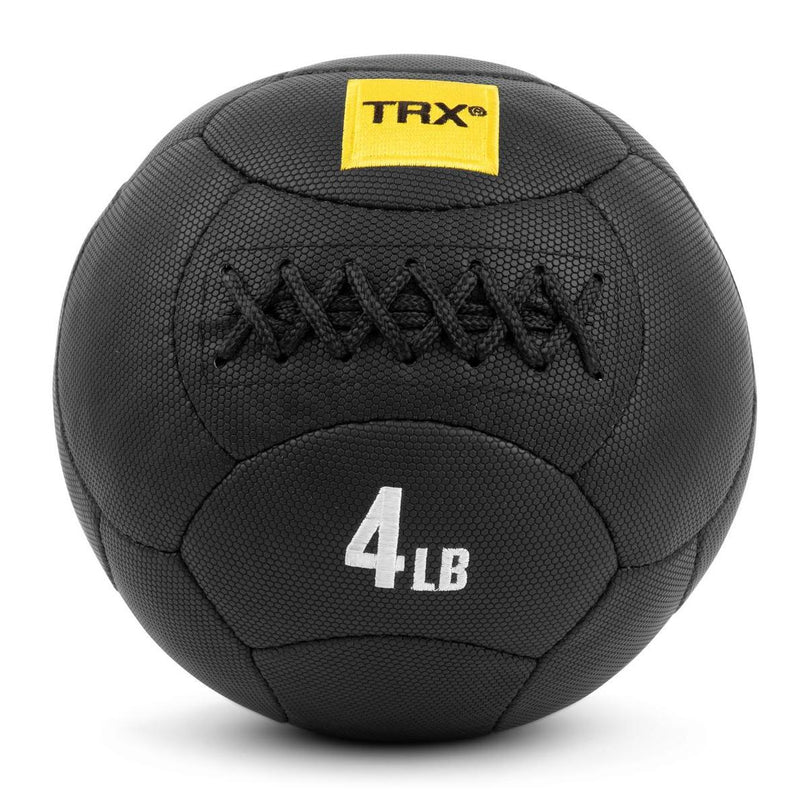
Sample Slam Ball Workout
Use this printable slam ball workout as a starting point, then adjust the load, reps, and rest to match your goal. If you came looking for a ball slams workout, choose one row and keep the session focused instead of mixing power work with fatigue-heavy intervals.
|
Goal |
Exercises |
Work |
Rest |
|
Beginner technique |
Overhead Slam, Lunge With Twist, Russian Twist |
2 to 3 rounds of 6 controlled reps each |
45 to 60 seconds between exercises |
|
Power |
Overhead Slam, Squat-to-Slam |
3 to 5 sets of 3 to 6 fast, crisp reps |
Full recovery, about 60 to 120 seconds |
|
Conditioning |
Slam Ball Burpee, Figure 8s, Russian Twist |
3 rounds of 15 to 30 seconds each |
30 to 45 seconds between exercises |
For power, stop the set when the ball slows down or your form changes. For conditioning, keep the interval short enough that you can maintain posture, breathing control, and a consistent rhythm.
To get more workouts like the one above, sign up for the TRX Training Club app and get access to coach-led, on-demand training.
Frequently Asked Questions
Use these quick answers to choose the right ball, understand the training effect, and plan your workout.
Is a slam ball a good workout?
A slam ball can anchor an effective full-body workout when you match the exercise and work interval to your goal. Slams and throws can train power. Circuits that combine squats, lunges, core work, and short intervals can support conditioning.
What weight slam ball should a beginner use?
A beginner should use a ball light enough to learn the movement without losing posture, speed, or control. Start at the lighter end of the available range, then progress only when every rep looks consistent. The right starting load varies by exercise and training experience.
What muscles do ball slams work?
Ball slams use the glutes, hamstrings, quads, core, lats, shoulders, and arms in one coordinated movement. Your exact muscle emphasis changes with your stance, range, and the way you program the exercise.
What is a slam ball used for?
A slam ball is used for floor slams, loaded carries, squats, lunges, rotational drills, and core exercises. A slam ball throw can train coordinated power when you have a clear landing area and use equipment suited to the surface.
Are slam balls the same as medicine balls?
No. Slam balls are typically sand-filled and bounce-resistant, which makes them useful for repeated floor impact. Many medicine balls are designed for catches, passes, wall work, or controlled rebound, so use the ball built for the movement you plan to do.
To get more workouts like the one above, sign up for the TRX Training Club app and get access to 1,000+ on-demand workouts 24/7 from certified trainers.

How to Choose Your Slam Ball
Choose your slam ball by matching its load, grip, construction, and surface guidance to the exercise. Use the details below to choose the slam ball that fits your needs.
-
Choose a load you can control through the full range.
-
Look for durable, impact-ready materials.
-
Use a sand-filled, bounce-resistant ball for floor slams.
-
Choose a textured tread or no-slip surface that stays secure in your hands.
-
Confirm that your training floor matches the manufacturer's use instructions.
You can find these features in a TRX Training Slam Ball, including a double-walled interior, sand-filled shell, textured tread, bounce-resistant construction, and 60-durometer rubber. The current weight options run from 6 to 30 pounds, giving you room to match the ball to the task.
Build a Better Workout With Slam Ball Exercises
The benefits of slam ball exercises depend on how you program them. A lighter ball moved quickly can support power practice. Controlled circuits can challenge your core, coordination, grip, and conditioning.
Main benefits of training with a slam ball.
-
Train whole-body power with fast, controlled slams and throws.
-
Challenge core strength as your trunk transfers force between your lower and upper body.
-
Build coordination by linking squats, hinges, lunges, rotations, and reaches.
-
Train multiple muscle groups with one compact piece of equipment.
-
Adjust the same movement for technique, power, strength, or conditioning.
Choose the goal first, then pick the ball and workout structure that support it. Explore TRX functional training equipment when you are ready to build a setup that helps you move better, grow stronger, and keep training for the long haul.
Good slam ball training starts with the right load, not the heaviest one you can lift. If the ball slows you down or pulls you out of position, the workout loses its purpose.
TRX Training's bounce-resistant Slam Ball line runs from 6 to 30 pounds, so you can match the ball to technique, power, or conditioning work. Compare the available weights, choose the one that keeps your reps crisp, and put the matching workout above into motion.
Sources
American Council on Exercise. “Five Exercises to Help Your Clients Develop Power.” ACE Fitness.
American Council on Exercise. “Throw, Catch, Slam: Smarter Medicine-Ball Training.” ACE Fitness, Aug. 2026.
American Council on Exercise. “Overhead Slams.” ACE Exercise Library.
American Council on Exercise. “Seated Medicine Ball Trunk Rotations.” ACE Exercise Library.
American Council on Exercise. “Walking Lunges with Twists.” ACE Exercise Library.
American Council on Exercise. “Lunge with Overhead Press.” ACE Exercise Library.
American Council on Exercise. “V-Ups.” ACE Exercise Library.
American Council on Exercise. “Figure Eight.” ACE Exercise Library.
American Heart Association. “Exercise and Physical Activity.”
TRX Training. “Slam Balls.”