

Quick answer: The bench press uses a free barbell and activates more stabilizing muscles. The chest press machine uses a fixed path, is safer for beginners and solo training, and allows easier training to failure. Both have a place in a well-rounded program.
What’s the Difference Between Bench Press and Chest Press?
The fundamental difference between these two exercises is that the chest press is performed using a fixed resistance machine (FRM) in a fixed movement path. However, the bench press is carried out in a non-fixed range of motion with free weights.
Related to this key difference is the magnitude of weight you are likely to perform each exercise with. The chest press will typically be lighter because the maximum weight is often dictated by what is available on the machine. The bench press has no limit to the amount of weight you can use (only that of the gym you are in!).
A final key difference to be aware of is the position in which you would likely perform these exercises in. The bench press is done lying flat on a bench, pressing weights up above your chest, whereas the chest press is ordinarily performed in a seated position, pressing handles out in front of you.
The TRX Chest Press: A Third Option
There is a third way to train your chest that combines the best of both worlds. The TRX chest press puts you in a suspended push-up position, with your hands gripping the TRX handles. This combines the stability challenge of free weights (your body has to stabilize in every direction) with the adjustability of a machine (you scale difficulty simply by changing your body angle).
To perform it, face away from the anchor point with arms extended, holding the TRX handles at chest height. Lower your chest toward the handles by bending your elbows, then press back to the start. The more horizontal your body, the harder the exercise. This makes the TRX chest press ideal for building chest strength at home without a bench, barbell, or machine.
When Should You Perform a Certain Exercise?
When you perform the exercise is just as important is what exercise you choose to do. The reason is there are times when doing a chest press is better than doing a bench press.
When to Perform a Chest Press
You should perform a chest press at the beginning of your workout. Machine chest presses are great for muscle growth, but it isn't as effective for increasing strength. When doing this exercise, aim for 8-15 reps. To further promote hypertrophy, advanced techniques such as drop-sets, super-sets, and rest-pause can be incorporated into your machine chest press routine.
When to Perform a Bench Press
You should do bench presses at the beginning of your workout. You can do chest presses and bench presses together, but it's more beneficial to do bench presses first. Bench presses are a more demanding exercise and you don't want to waste your energy doing less-challenging movements.
Muscles Used in Bench Press / Chest Press
Now we’ve established some of the key differences between the two exercises, let’s take a look at the muscles targeted by each of them.
In actuality, the main muscles targeted by each of the movements are similar. They both primarily use the:
- Pectoralis major
- Pectoralis minor
- Anterior deltoid.
The main secondary muscles used are also both the:
- Triceps brachii
- Srratus anterior
However, the bench press may also stimulate smaller stabilizing muscles such as the medial and posterior deltoid, latissimus dorsi, biceps brachii, and core (abdominal) muscles.
A study by Schwambeder et al. (2020) found that free weight bench press produced greater activation of the anterior deltoid and triceps compared to a fixed-path machine press, while machine chest press reduced stabilizer demands.
How to Do Bench Press Properly
The bench press is arguably the biggest fundamental movement for training the chest. As well as working the major muscles of the pecs and shoulders, it also places a significant demand on the rest of your upper body and core. You can customize the exercise depending on the style of bench press you are performing, i.e. barbell or dumbbell, allowing you to target different areas of the chest.
The how-to steps below refer to the barbell bench press. However, you can also use dumbbells, because this variation uses the stabilizing muscles much more.
How to do a (barbell) bench press:
-
Lie on your back on a flat bench and screw your feet into the floor to give you a solid base of support
-
Grab the bar with your hands just outside shoulder-width apart, with palms facing forward and thumbs wrapped around the bar
-
Unrack the bar and, when steady, bend the elbows to slowly lower it to an inch above the sternum
-
Drive the bar back up by contracting your chest and pushing your arms straight to return to the start position
How to Do Chest Press Properly
As we've established, the chest press is typically performed in a seated position and involves pressing out in front of the chest. It's a safer alternative to the bench press because the fixed path of motion minimizes the risk of injury caused by poor technique.
You don't need a spotter for machine chest presses, so you can train your chest to failure. Follow the steps below to master the basics of the chest press:
-
Sitting down, adjust the seat height so that your mid-chest is in line with the handles
-
Plant your feet flat on the floor and sit with your back flat against the pad
-
Grip the handles with your knuckles facing forward, then push them forward by extending your arms out, making sure to stop before you lock out the elbows
-
Return to the starting position with control, and repeat
There are also some free weight-style variations of the chest press using alternative equipment such as the TRX. This is a safer alternative and you can exercise from a variety of angles (see Combo 2 for these three TRX variations that will provide a full chest blast!).
Let's examine the key strengths and weaknesses of both chest press and bench press exercises to help you make an informed decision about which one better aligns with your goals.
Take Our Training Quiz
Chest Press Benefits
Here are some of the following chest press benefits:
-
The exercise uses a simpler movement pattern that makes it easier to learn, especially for beginners.
-
It isolates the chest muscles to a greater extent than the barbell bench press, making it ideal for individuals focused on building their chest.
-
The chest press is a safer option because the weight is supported by the machine, reducing the likelihood of injury.
-
Using a chest press doesn't require a spotter, allowing individuals to safely train to failure.
-
It also allows for advanced techniques such as drop-sets or rest-pause sets, which can be easily implemented on a pin-loaded machine.
-
The chest press allows for unilateral training, which can help correct or prevent muscle imbalances.
-
Most gyms have a chest press machine available, with instructions on how to perform the exercise properly.
-
Constant tension throughout the movement provides more consistent muscle activation compared to the barbell bench press, which can have points of low tension during the exercise.
Chest Press Cons
Here are some of the chest press cons:
-
One potential disadvantage is that it may not fit an individual's body properly, even if the machine can be adjusted.
-
The machine chest press may not provide as much functional carry-over to other lifts or daily activities as a barbell bench press.
-
The range of motion may be limited depending on the machine, which can hinder progress.
-
The chest press may not be as effective as the barbell bench press for building strength, and it is not used in powerlifting or CrossFit competitions.
-
Although the chest press can be helpful for building muscle, it does not improve stability or balance as much as free weight exercises.
-
In some cases, the machine may not provide enough resistance, but additional accessories can be purchased to increase the weight.
-
It is also important to consider the cost and space requirements of a chest press machine. Machines tend to be more expensive, break down more quickly, and take up more room compared to a bench press, which can be performed in a squat rack that can also be used for other exercises. Therefore, for individuals with limited space in their home gym, investing in a squat rack and bench may be a wiser choice.
Bench Press Benefits
Here are the following bench press benefits:
-
Compared to the chest press machine, the barbell bench press is superior for building upper body strength and allows for endless weight progression.
-
Performing the bench press targets the chest, anterior delts, and triceps, making it an efficient exercise for overall upper body development.
-
The exercise requires minimal equipment, including a rack, flat bench, barbell, and plates, and can even be performed with dumbbells.
-
Since the bench press is a free weight exercise, it engages more stabilizer muscles and provides greater versatility in movement.
-
Bench presses are more effective for training in the lower rep range, which is ideal for building strength.
-
Because the bench press is a compound exercise, it's also great for losing chest fat.
-
The bench press allows for various grip widths to target different muscles. This makes it a versatile exercise that can be customized to suit individual training needs.
-
The bench press is arguably more functional than a machine press, which translates to greater carry-over to other exercises, sports, and daily activities.
-
You can exercise the inner chest and all muscle groups around it.
-
Bench presses are one of the three main lifts in powerlifting, making it a crucial exercise for anyone interested in competing.
-
It is a time-efficient exercise because it works several muscles at once, making it ideal for those with a busy schedule.
Bench Press Cons
Here are the following bench press cons:
-
If you're training to failure or going for a one-rep max on a bench press, having a spotter is crucial to avoid getting stuck under the barbell.
-
The risk of injury may be higher with a barbell bench press than with a machine press because the movement involves a greater number of stabilizer muscles and you may be inclined to go heavier.
-
Using a grip that is too wide can place excessive strain on the shoulder joint.
-
Isolating the chest muscles with a barbell bench press can be more difficult, which means your triceps may fatigue before your chest muscles do. As a result, it may not be the best option for someone who wants to primarily target their chest rather than their anterior delts and triceps.
-
Performing a barbell bench press may put more stress on the wrist compared to other chest exercises, like flys.
-
Certain portions of the bench press movement have less tension on the chest muscles. However, incorporating resistance bands can help overcome this.
-
A barbell bench press is a bilateral movement that does not allow you to work on one arm at a time. As a result, you may develop strength or muscle imbalances if you only perform bench press exercises.
Why You Should Do the Bench Press
You should do the bench press because it's undeniably effective at increasing the strength and size of your chest, shoulder, and triceps. The bench press also allows you to add infinite weight, so you can continue to grow.
We've also already mentioned that both the barbell and dumbbell bench press are free-weight movements. Both exercises inherently engage more stabilizer muscles, so they also fall into the category of functional movements.
This offers greater carry-over to other exercises, sports, and daily-living activities (especially when paired with other free weight movements such as kettlebell swings). This fact also makes it great for those who are short on time but want an effective full-body workout.
Why You Should Do the Chest Press
Because the chest press is performed using a machine, it's a far less complex movement to learn and can provide a strength-building option that doesn't require much balance or stability. This is great for anyone that is unable to comfortably get into a lying position on a bench, i.e. movement impaired or wheelchair bound.
The chest press can also isolate the pecs to a greater extent and maximize the chest stimulus, which is ideal for those focused on specific hypertrophy work. Furthermore, there's more utility in the ways you can train. You can do drop-sets, super-sets, or train till failure.

Which Is Better: By Goal
Rather than declaring one exercise universally superior, the smarter move is matching the exercise to your specific training goal. Here is a direct breakdown:
If your goal is maximum strength, choose the bench press. It allows for unlimited progressive overload, engages stabilizer muscles, and is the standard for measuring upper body pressing power. Powerlifters and strength athletes use the bench press for a reason.
If your goal is muscle hypertrophy with lower injury risk, the chest press has a genuine edge. Constant tension throughout the movement, the ability to train to failure without a spotter, and easier unilateral variation make it ideal for bodybuilding-focused training blocks.
If your goal is functional strength for sports or daily life, the bench press wins. Free weight pressing translates directly to athletic performance in ways a fixed-path machine cannot replicate.
If you are a beginner learning to press, start with the chest press. The fixed movement path builds the correct motor pattern, lets you load safely, and reduces injury risk while your stabilizer muscles develop.
If you have a shoulder injury or instability, the chest press is the safer choice. The controlled range of motion and seated position reduce the rotator cuff demand that the bench press places on the shoulder.
If you train at home with limited equipment, neither machine applies directly. This is where TRX suspension trainer chest press variations become a practical and effective middle ground, offering a free-weight pressing stimulus without requiring a rack, bench, or spotter.
The bottom line: most lifters benefit from using both. Lead with the bench press when strength is the priority, then finish with the chest press for targeted hypertrophy work. If you can only do one, let your goal decide.
Chest Press vs. Bench Press: Which Should You Choose?
The best choice depends on your goal:
-
Your goal is maximal strength: Use the bench press. Free weight pressing builds more total-body strength because your stabilizer muscles must work harder.
-
Your goal is muscle growth (hypertrophy): Use both. Bench press for heavy compound sets, machine chest press for high-rep isolation sets to failure.
-
You train at home with no gym: Use the TRX chest press. It requires zero equipment beyond the TRX trainer, scales easily by body angle, and builds chest strength and core stability at the same time.
-
You have a shoulder or elbow injury: Use the machine chest press or TRX. The fixed or controlled path reduces stress on injured joints while still loading the chest.
-
You are a beginner: Start with the machine chest press to learn the pressing movement pattern safely, then progress to bench press and TRX as you build strength and confidence.
Which One Should You Choose?
So, which exercise is for you? To be perfectly honest, singling one out as superior to the other is a risky notion. Which exercise you use largely depends on your goal and level of experience. Anyone that wants to increase the size of their chest by training all while minimizing injury risk should consider doing a machine chest press.
On the other hand, anyone that wants to increase their functional upper body strength and doesn't have any shoulder injuries or instabilities should consider doing the barbell bench press.
In short, they are both effective at building the size and strength of your chest. We recommend mixing both exercises in during your chest day to get the most out of your workout. Start out with the bench press to utilize the most of your energy. Afterwards, perform chest presses and pair that with some cable chest exercises to get the most out of your push day.
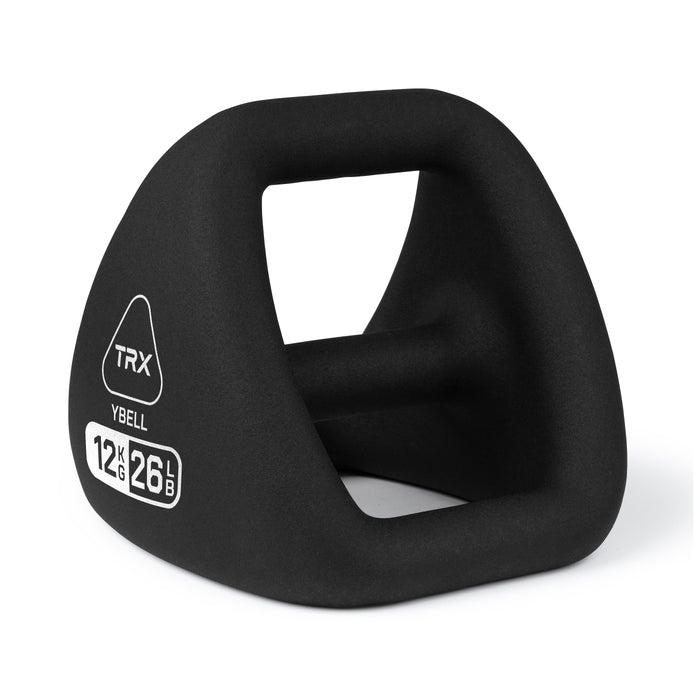
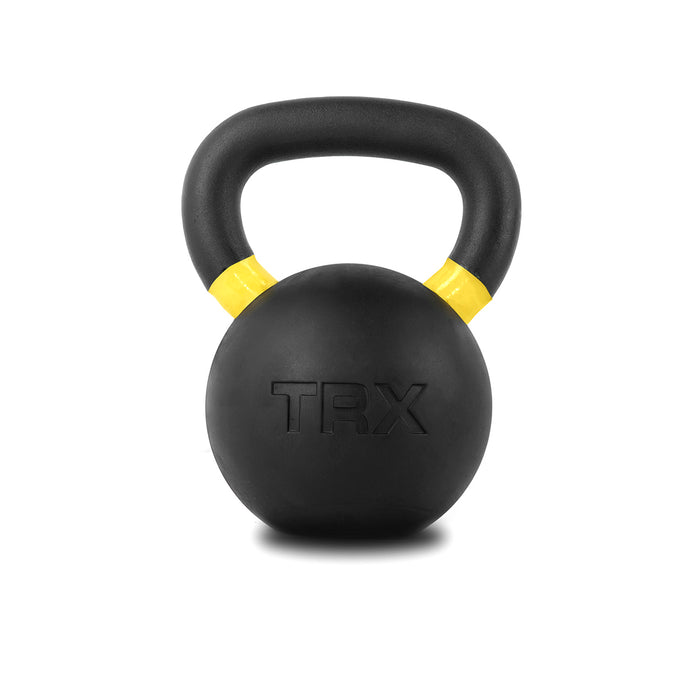
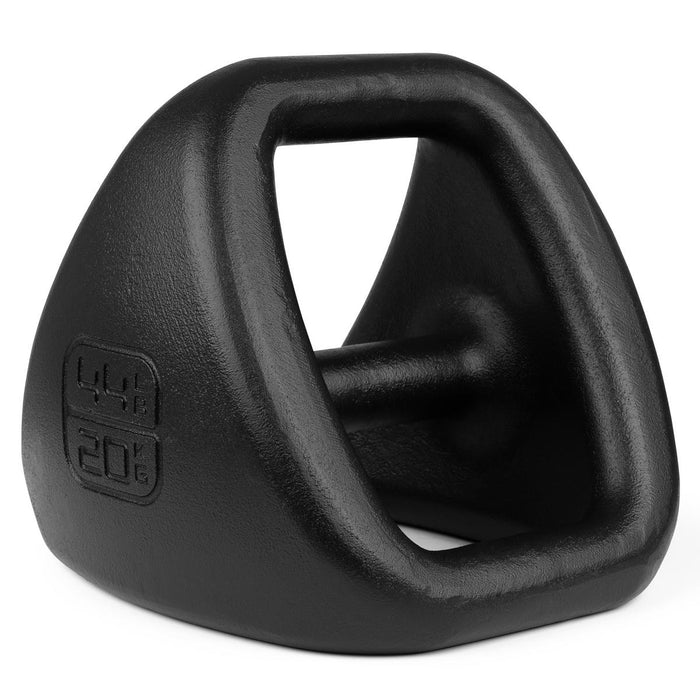
Try this equipment next time you're doing a chest press or bench press:
Frequently Asked Questions
Is the chest press or bench press better for building muscle?
Both exercises build chest muscle effectively. The chest press provides constant tension and easier isolation, which can be advantageous for hypertrophy-focused training. The bench press builds more overall upper body mass by involving the shoulders and triceps more heavily. For pure chest development, the chest press may have a slight edge. For total upper body size, bench press wins.
Is the bench press better than the machine chest press for strength?
Yes. The bench press is significantly better for building raw pressing strength. The free weight movement requires stabilizer muscle recruitment, allows unlimited progressive overload, and is the standard measure of upper body strength in powerlifting. A machine chest press caps your loading potential and does not carry over as directly to real-world strength.
Can beginners use the bench press, or should they start with the chest press?
Beginners can use both, but the chest press is often the better starting point. The fixed movement path makes the technique easier to learn and reduces injury risk while the stabilizer muscles are still developing. Once a beginner builds baseline chest and shoulder strength on the machine, transitioning to the bench press becomes safer and more productive.
Is the seated chest press easier than the bench press?
Generally, yes. The seated chest press is mechanically simpler because the machine guides the movement path, eliminates the need to balance the load, and removes the stabilizer muscle demand. This makes it feel easier for most people, particularly at the same relative weight. However, the easier movement does not necessarily mean less effective for muscle growth.
What muscles does the chest press work vs. the bench press?
Both exercises primarily work the pectoralis major, pectoralis minor, and anterior deltoid, with the triceps brachii and serratus anterior as secondary movers. The key difference is that the bench press also recruits stabilizing muscles including the medial and posterior deltoid, latissimus dorsi, biceps brachii, and core musculature. The chest press isolates the primary movers more directly.
Can I do both chest press and bench press in the same workout?
Yes, and it is often recommended. The most effective approach is to perform the bench press first, when your energy and neuromuscular output are highest, then follow with the chest press for targeted hypertrophy work. Pairing both in the same session lets you develop strength and muscle simultaneously without the fatigue from one exercise significantly compromising the other.

