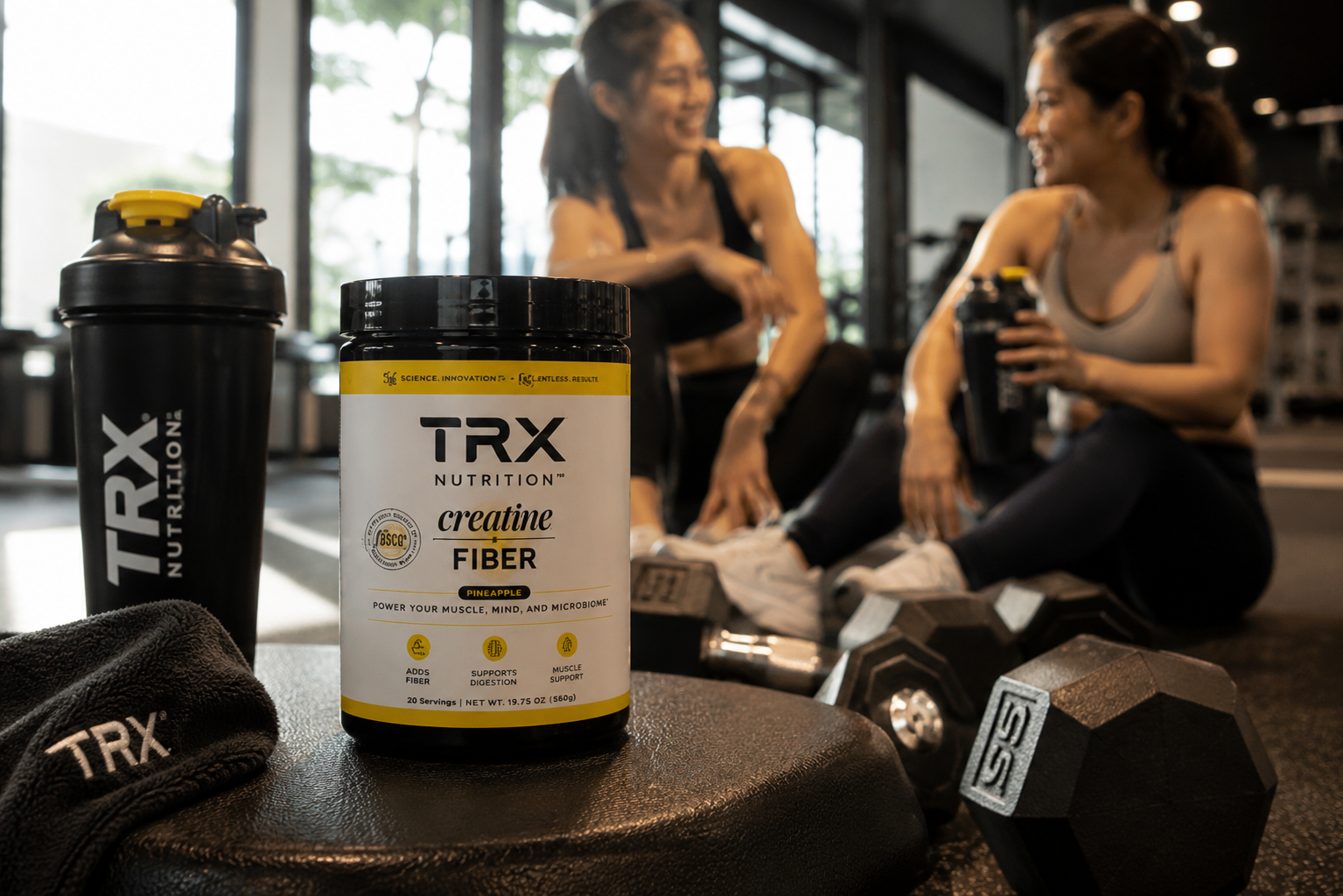

Clear whey is whey isolate that gets extra filtering and a splash of acidity so it mixes light and translucent, like juice. Regular whey is usually concentrate that drinks like a creamy milkshake. Same source protein, different processing, texture, and price. That, in one sip, is the clear whey vs regular whey difference.
So which tub belongs in your gym bag? That comes down to how you like to drink your protein and what your stomach agrees with. Below is the honest side-by-side across processing, nutrition, taste, digestion, and price, plus a goal-based pick to finish.
Clear Whey vs. Regular Whey at a Glance
Short on time? Here are the big differences at a glance, with the detail behind each row further down.
|
Factor |
Regular Whey |
Clear Whey |
|
Source form |
Concentrate, about 70 to 80% protein |
Isolate, about 90% protein |
|
Texture |
Creamy, milkshake-like |
Light, juice-like |
|
Calories per serving |
About 110 to 160 |
About 80 to 90 |
|
Carbs and fat |
Higher |
Minimal |
|
Lactose |
More |
Very low |
|
Flavor style |
Chocolate, vanilla, dessert |
Citrus and fruity |
|
Price per serving |
Lower |
Higher |
Think of these as two forms of the same protein, not rival products. Both start as whey. The whey concentrate vs isolate split comes down to processing, and that is what sets them apart.
The Basics: Two Forms of the Same Protein
Same milk, same source protein, two different levels of refinement. That single fact is the real difference between clear whey and normal whey, and it explains almost everything that follows.
Regular Whey (Whey Concentrate)
Regular whey is whey protein concentrate. It comes from the liquid left behind when milk becomes cheese, then dried into a powder that lands around 70 to 80% protein. The rest is a little lactose, carbs, and fat, and that is exactly what gives it body.
That mix is why concentrate tastes creamy and looks opaque, like a milkshake. It pairs naturally with dessert flavors like chocolate, vanilla, and cookies and cream.
Concentrate is the classic all-rounder. It is budget-friendly, blends into a filling shake, and works as a smoothie base when you want something that holds you over. It is also the smarter pick when you are trying to eat more, not less. Those extra carbs and calories help on a bulk, as a between-meals bridge, or as a light meal replacement when real food is not an option.
Clear Whey (Whey Isolate)
Clear whey starts a step further down the line. It uses whey protein isolate, filtered to roughly 90% protein, then runs through extra filtration and gets acidified to a lower pH. That last step is the trick. It lets the protein dissolve clear and drink light instead of thick.
The result is translucent and juice-like. It suits citrus and fruity flavors and fully dissolves in water, no blender required.
Think of it as the lighter, more refreshing option, and those clear whey protein benefits come from stripping out most of the fat, carbs, and lactose. It is the protein people reach for in summer, mid-cut when calories are tight, or when a thick shake feels like too much right after a hard session.
Nutrition Head-to-Head: Protein, Calories, and Carbs
Here is how the two compare on the numbers that matter most.
Protein Per Serving
Both forms deliver serious protein, so the clear whey vs whey protein choice is not about quantity. Regular whey concentrate typically gives you about 20 to 25g per scoop, with a little room set aside for carbs and fat.
A clear whey isolate protein powder is more protein-dense by weight, and many land in that same 20 to 25g range. Some clear whey formulas run lighter, though, so read the label rather than assuming every scoop is built the same.
One thing to watch. Clear whey scoops are often smaller, so a lighter-looking tub can still hit a solid protein number. Always check grams per serving, not scoop size. Both are complete proteins, carrying all nine essential amino acids, including a strong dose of leucine, the amino acid that flips the switch on muscle repair. Because complete whey already provides the full essential set, EAA vs. BCAA matters most when a standalone amino supplement is being considered rather than a full protein. Supplement timing also raises questions about taking ketones without following a keto diet, especially for people focused on energy and training rather than strict ketosis.
Calories, Carbs, and Fat
This is where the two split. Clear whey usually sits around 80 to 90 calories per serving with near-zero fat and carbs. Regular whey often runs 110 to 160, carrying more of both.
The gap comes down to refining. Stripping out the fat and lactose leaves clear whey leaner on paper. One honest caveat. Against a plain whey isolate, the clear whey vs whey isolate difference shrinks to almost nothing. It is widest when you line clear whey up against concentrate.
When does that gap actually matter? On a cut, where every 60 or 70 calories counts, clear whey gives you protein with almost no baggage. On a bulk, the extra calories in concentrate are a feature, not a flaw.
Taste and Texture: Milkshake vs. Juice
This is the difference most people notice first, before they ever read a nutrition panel.
Clear whey protein powder is light, thin, and fruity. It drinks like a light juice or a sports drink, and it is at its best cold or poured over ice after a sweaty session.
Regular whey is thick, creamy, and dessert-like. It shines in smoothies, stirred into oats, or sipped as a filling shake between meals. Neither wins here. It comes down to what you genuinely enjoy drinking, because the best protein is the one you actually finish.
One practical tip. Clear whey needs cold water and a hard shake, not a blender, or it foams up on you. Concentrate is the opposite and rewards a blender with ice, milk, or fruit.
Digestion: Which Is Easier on Your Stomach?
Clear whey isolate carries far less lactose than concentrate, so it tends to sit lighter for anyone sensitive to dairy or prone to bloating from creamy shakes. Less lactose and almost no fat also means it clears your stomach faster, which is part of why it feels so easy right after training.
That matters to more people than you might expect. Lactose malabsorption affects an estimated 68% of the world's population, so a no-bloat protein has a genuine following for good reason.
Stay honest, though. Plenty of people digest concentrate just fine, and the isolate used in some regular whey powders already trims the lactose. If dairy is your sticking point, a low-lactose clear whey isolate is an easy-on-the-stomach way to still hit your numbers.
What to Drink When You Train in the Heat
When you train in heat or push past the hour mark, protein alone will not keep you steady, because you sweat out sodium, potassium, and magnesium that a plain whey shake does not replace. Cramping, a heavy head, and a fade in your last few sets are usually low fluids and minerals, not your muscles giving out.
That is the gap TRX Nutrition™ Electrolyte + Clear Whey was built to close. It pairs 15g of clear whey isolate with 845mg of electrolytes, so one lemonade-flavored pour covers light protein and the minerals you lose to sweat. It mixes clear and drinks cold, so it sits easier than a creamy shake mid-session. It contains milk, and at 15g it is light protein plus hydration, not a mass-gainer. If cramping in long or hot sessions is your sticking point, that two-in-one earns its place in your bag.
Muscle Building: Is One Actually Better?
For building muscle, the difference is negligible. Both forms drive muscle protein synthesis through the same essential amino acids and the same leucine trigger. Your muscles cannot tell whether the shake was cloudy or clear.
What actually moves the needle is hitting your daily protein target, day after day. Reach it with creamy concentrate or a light clear whey, and the results look the same. Consistency beats texture every time.
One myth worth retiring. There's no magic isolate advantage in the 30 minutes after a workout. Aim for roughly 20 to 40g of quality protein per serving to clear the leucine threshold, then repeat that across the day.
Can You Drink Protein During Your Workout?
You can sip protein mid-workout, and a light clear whey is the form that makes it comfortable. It carries almost no fat or lactose, so it clears your stomach fast instead of sitting heavy between sets. A thick concentrate shake is the opposite, which is why most people save it for after they rack the weights.
That is the everyday case for TRX Nutrition Electrolyte + Clear Whey, made to drink before, during, or after a session. It clears quickly and replaces the minerals you sweat out, so it works as an intra-workout drink on long training days, not only a post-gym recovery shake. Hit your total daily protein first, then treat a mid-session pour as an easy way to chip away at it while you hydrate. Knowing why electrolytes taste salty can also help athletes interpret flavor intensity in hydration products.
Price: Why Clear Whey Usually Costs More
Clear whey almost always costs more per serving, and the reason is simple. It starts from pricier whey isolate, then adds the extra filtration and acidification steps that concentrate skips. More processing means a higher price, and that is really how clear whey is made.
Expect a noticeable premium per serving over a standard concentrate, though the exact gap depends on the brand and the format. A useful way to compare is cost per gram of protein, not price per tub. Do that math and a cheaper-looking concentrate is sometimes the better deal. A clear whey can still earn its premium for the training sessions it saves your stomach.
Is clear whey worth it? Here is the honest call. If the lighter texture or easier digestion is what finally gets you to drink your protein every day, the premium pays for itself. If you love a creamy shake and your stomach handles it fine, there is no reason to pay extra to go clear.
Which One Should You Choose?
No single option wins for everyone. The right fit depends on how you train and what you like to drink. Use this as a quick gut check.
Choose clear whey if you:
-
Dislike heavy, creamy shakes
-
Train in heat or through long sessions
-
Want a refreshing drink the moment you finish
-
Are sensitive to lactose
-
Want protein that doubles as hydration
Choose regular whey if you:
-
Want a filling shake that holds you over
-
Blend protein into smoothies or oats
-
Are watching your budget
-
Prefer dessert flavors like chocolate and vanilla
If that first list sounds like you, TRX Nutrition™ Electrolyte + Clear Whey is built for exactly this. It pairs 15g of clear whey protein isolate with 845mg of electrolytes, so you get light protein and real hydration in one lemonade-flavored pour. It mixes clear, drinks easy, and is made for training in heat and long, sweaty sessions. Two honest notes. It contains milk, and at 15g per serving it is light protein plus hydration, not a mass-gainer. If you want a bigger 24g-plus hit in a single scoop, stack two servings or reach for a concentrate.
Frequently Asked Questions
Is clear whey better than regular whey?
Neither is universally better. It comes down to your goal, your texture preference, how your stomach handles dairy, and your budget. Both pour from the same core protein, so you are choosing an experience, not a stronger protein.
What are the downsides of clear whey?
A few worth knowing. It usually costs more, some products deliver less protein per serving, and the thin texture is not for everyone. Flavors skew fruity over dessert, and it feels less filling than a creamy shake, which matters if you lean on protein to curb hunger.
Can you build muscle with clear whey?
Yes. Clear whey is a complete protein with leucine, and it supports muscle protein synthesis just like regular whey. What counts most is your total daily protein, not whether the shake was clear or creamy.
Why is clear whey more expensive?
It is made from pricier whey isolate and runs through extra filtration and acidification steps that regular concentrate skips. More processing means a higher cost per serving.
Find Your Everyday Protein
Here's the takeaway that outlasts any spec sheet. In the clear whey vs regular whey decision, the best protein is the one you will actually drink every day. Match the texture and digestion to your routine, and everything else falls into place. If your sticking point is heavy shakes, cramping in long sessions, or wanting protein and hydration without carrying two tubs, that is the gap TRX Nutrition Electrolyte + Clear Whey fills. It pours 15g of clear whey isolate and 845mg of electrolytes into one light, lemonade-flavored glass that mixes clear and drinks easy, with no blender and no bloat. It contains milk, and at 15g it is light protein plus hydration, not a mass-gainer. See how it fits your training days on the TRX Nutrition Electrolyte + Clear Whey page, and make your body your machine. Mixing method, liquid temperature, and powder composition can all explain why whey protein clumps instead of dissolving smoothly.