
Use water when you want a lighter finished drink because plain water adds no calories. Reach for milk when its protein, calories, and creamier texture suit the job you want the shake to do.
There isn't a universal winner. Start with the product directions, then weigh the finished nutrition, taste, allergens, storage, and timing against your routine.
Key Takeaways: Protein Powder With Water or Milk
-
Plain water adds no calories to the powder serving, so it is the simplest choice when you want a lighter drink or an easy shaker to carry.
-
Milk can add protein, calories, carbohydrate, fat, and a creamier texture, but the totals depend on the exact dairy milk or plant drink and its serving size.
-
The powder's ingredient list and directions still matter because whey remains milk-derived in water, plant drinks vary widely, and some formulas are designed around a specific liquid.
-
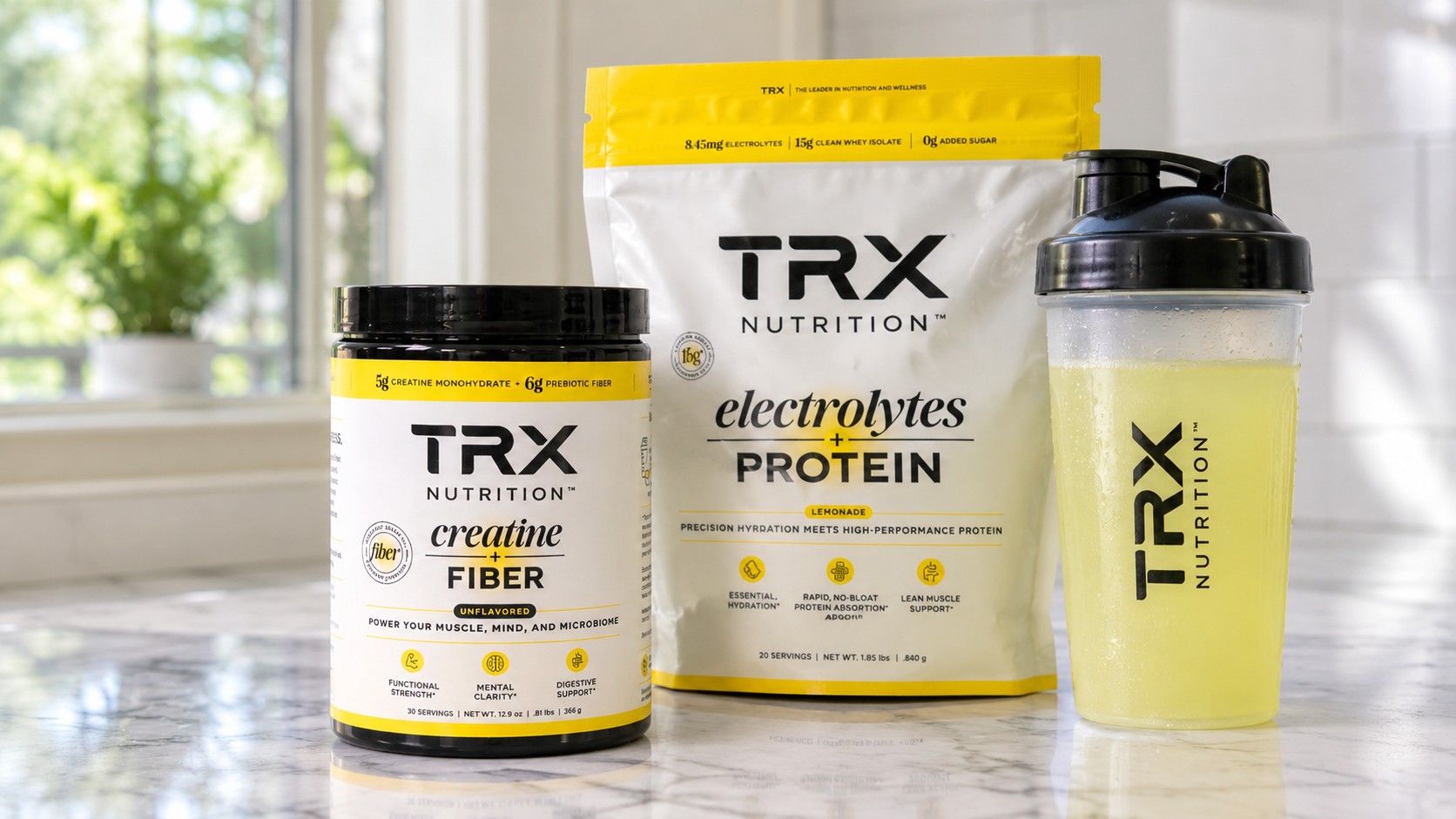
TRX Electrolytes + Protein gives readers who want protein and electrolytes in one light drink a label-led preparation method by directing one serving into 12 to 16 ounces of cold water and providing 15 grams of clear whey isolate plus 845 milligrams of electrolytes, but whey is milk-derived.
Protein Powder With Water or Milk: The Short Answer
For a protein shake with water or milk, water is usually the better mixer for a light, simple drink. Milk is better when you want more nutrition and a creamier result. Neither liquid changes the protein already measured in your scoop. It changes what gets added around it.
Compare the main tradeoffs.
Water and milk at a glance
|
Factor |
Water |
Milk or plant drink |
|---|---|---|
|
Added calories |
None from plain water |
Varies by product and serving |
|
Texture |
Usually thinner and lighter |
Usually creamier or fuller |
|
Allergen check |
Powder still controls its allergens |
Check both powder and liquid |
|
Storage |
Easy to carry before mixing |
|
|
Best fit |
Light, simple preparation |
Added nutrition and creaminess |
The math is simple. Add the powder's nutrition to the liquid's nutrition to get the finished drink. Check both labels before calling one shake lighter, heavier, or better for your plan.
Here is the practical tradeoff. Water works well in a shaker you carry to a session because the liquid adds no nutrition and needs no refrigeration before mixing. The same scoop with a labeled milk or plant drink can become a more substantial snack when you want the added nutrition and creamier texture. Same powder, different job.
What Changes When You Use Water Instead of Milk?
Changing the liquid affects the finished shake's nutrition, flavor, texture, allergen profile, storage, and cleanup. The powder serving stays the same if you change only the liquid.
That distinction keeps the comparison honest. Water can make the drink lighter without making the powder different. Milk can make it more substantial without automatically making it better for training.
Keep the scoop and liquid serving fixed during the comparison. If you change both at once, you won't know whether the result came from the powder amount or the mixer. A side-by-side test using the label's recommended serving gives you a cleaner taste, texture, and nutrition comparison.
Calories and Nutrition
To compare protein shake calories with milk versus water, start with the powder serving and add only the liquid's label values. Plain water adds no calories, while dairy milk and plant drinks add whatever appears on their Nutrition Facts panel. Exact totals can differ by product, serving size, flavor, sweetener, and fortification.
The FDA advises comparing plant-based milk alternatives by reading the label because their protein and nutrient content can vary. Add the liquid's calories, protein, carbohydrate, and fat to the powder's values. That gives you the finished total without relying on a generic estimate for "milk."
Look beyond protein alone. Added sugars, saturated fat, calcium, vitamin D, and potassium can matter to your wider eating plan. The best comparison uses the carton in your hand.
If you use half a serving of milk and half water, add half of the milk serving's listed values. This is basic label math, not a new formula claim. It lets you adjust richness and keep the finished totals visible.
Taste, Texture, and Convenience
Water usually creates a thinner, lighter shake, but milk usually gives the drink more body and creaminess. Formula design can flip expectations. Clear whey is meant to drink more like a flavored water or juice, but many regular whey powders are built for a creamy shake.
Convenience can settle a close call. Water needs no refrigeration before mixing, travels easily, and usually makes shaker cleanup simpler. Milk may suit a breakfast, snack, or smoothie when you already have cold storage and want a fuller texture.
Temperature and liquid amount matter too. Too little liquid can make either version thick. Cold liquid may improve the experience of a product designed to taste light and refreshing. Start with the label's ratio before changing it.
If your shake turns lumpy, treat that as a mixing problem before blaming the liquid's nutritional quality. The TRX guide to why whey protein clumps covers liquid order, temperature, ratio, and mixing technique.
Dairy, Allergens, and Tolerance
Mixing whey protein with water does not make it dairy-free because whey comes from milk. Water changes the liquid around the powder, not the powder's source.
A milk allergy and lactose intolerance are different concerns, so treat them separately. The FDA lists milk among the major food allergens and requires packaged foods that contain a major allergen to identify its source. Read the ingredient list and the Contains statement on the exact powder.
Plant drinks need the same care. Soy and several tree nuts are major allergens, and a flavored drink may include other ingredients you weren't expecting. If you have a diagnosed allergy or symptoms you don't understand, use the product label and guidance from a qualified healthcare professional.
When Water Is the Better Choice
Protein powder with water is the better choice when you want a lighter shake, need simple transport, or have a formula designed for water. It makes the powder's own flavor and texture easier to judge.
Choose water when you need to carry the powder in a dry shaker or keep the bottle beside you during training. Add the liquid when you're ready to drink, then follow the label's directions for amount and temperature.
Water can make sense when the powder already contains everything you wanted from the serving. Adding milk may duplicate calories or protein you had planned to get elsewhere. That is not a problem by default, but it should be a deliberate choice.
"Better" stays tied to the job. Water does not prove faster absorption, better results, or better recovery. It simply avoids adding nutrients from the mixer and can make preparation more straightforward.
When Milk Is the Better Choice
Protein powder with milk is the better choice when you want a creamier texture and the liquid's added nutrition fits your day. That can make a shake feel more like a snack or part of a meal.
Name the milk before you do the math. Whole milk, skim milk, lactose-free dairy milk, soy drink, oat drink, and almond drink do not contribute the same protein, calories, sugar, or fat. The current carton label is more useful than a category-wide claim.
Milk changes how portable the routine feels. A refrigerator, insulated bottle, or immediate serving may be practical at home and awkward during travel. Choose the version you can prepare and drink as intended rather than the version that looks best on paper.
Milk is not automatically a better post-workout choice. Judge it by the nutrients on the label and how the drink fits your full day. The NIH notes that performance supplements cannot replace a healthy diet. It adds that some can have value depending on the activity and the person's needs.
How to Choose the Right Mixer for Your Protein Powder
Give the drink one clear job, then check the product directions and finished totals. These five checks keep taste and nutrition in the same decision.
-
Read the directions for the recommended liquid, amount, and temperature.
-
Decide whether you want a light drink, a creamier shake, or part of a meal.
-
Add the liquid's label values to the powder's values.
-
Check the ingredient list and allergen statement on both products.
-
Confirm that storage, cleanup, and timing fit the routine you will actually follow.
If the label calls for water, use that as your baseline. Change the recipe only when the product permits it and the new taste, texture, and totals still fit your plan.
Plant Drinks and Half-Water, Half-Milk Mixes
Plant milk for protein shakes can work well, but nutrition varies too much for a single best choice. Compare protein, calories, added sugar, fat, fortification, and allergens on the current label.
A half-water, half-milk mix can be a practical middle ground when you want less richness than a full milk shake but more body than water alone. Treat it as a taste and texture adjustment, not a proven performance method. Add half of the milk serving's nutrition when you calculate the finished drink.
A plant drink does not make a whey powder dairy-free. If avoiding milk is the goal, check the powder's protein source before you choose the mixer.
Follow the Label and the Product's Intended Format
Product design can settle the liquid choice before personal preference does. TRX's performance nutrition line includes a formula designed around water, giving readers a current label-led example.
TRX Electrolytes + Protein combines 15 grams of clear whey isolate with 845 milligrams of electrolytes per serving. The directions call for one serving in 12 to 16 ounces of cold water. If you want protein and electrolytes in one light drink, that label gives you a clear prep method instead of another water-versus-milk guess.
Water doesn't change the protein source, so the lemonade formula still contains milk-derived whey. Its label supports the ingredients and mixing directions, not claims about faster absorption, recovery, bloating, or results for every person.
If you are comparing formats rather than brands, TRX's clear whey versus regular whey guide explains the juice-like and creamy distinction. If the drink is meant for training, the guide to taking protein during a workout can help you decide whether protein belongs in the bottle at all.
Frequently Asked Questions
The most common questions come down to label directions, finished nutrition, allergens, and the job of the drink. The answers below cover the edge cases that can complicate that choice.
Is Protein Powder Better With Water or Milk?
Neither water nor milk is universally better for protein powder. Use water for the lightest finished drink and milk when its added nutrition and creaminess fit your plan. Follow the powder's directions when the formula is designed around one liquid.
Does Milk Add More Protein to a Shake?
Milk adds protein when the chosen dairy milk or plant drink contains protein. The amount depends on the product and serving size, so add the carton's protein value to the powder's value. Water adds none.
Does Mixing Whey With Water Make It Dairy-Free?
No. A whey powder mixed with water is not a dairy-free protein shake because whey is derived from milk. Check the ingredient list and allergen statement if milk is a concern.
Can You Mix Protein Powder With Half Water and Half Milk?
Yes, if the powder directions allow it and the taste works for you. A half-and-half mix can soften the richness of a full milk shake and add more body than water. Include the milk portion when you calculate nutrition and check allergens.
Is Water or Milk Better After a Workout?
Neither water nor milk is universally better after a workout. Water is useful when you want the powder without added nutrition from the mixer. Milk can fit when its protein, calories, and texture belong in your post-training food plan. Check the full day and the exact label.
Choose the Liquid That Fits the Job
When choosing protein powder with water or milk, follow the powder's directions and choose the nutrition, texture, and convenience you need. Start with the label, add up the finished drink, and let the shake's actual job make the call.
Take the next step based on the job you gave the drink. Read TRX's guide to using protein powder without working out if you are deciding whether powder belongs outside training. For post-training options, compare the post-workout supplements collection, then check each product's directions, ingredients, and allergens before you buy.