
Neither whey nor plant protein is automatically best for every athlete. Both can support strength and muscle goals when you train consistently, eat enough total protein, and choose a powder that fits your diet, tolerance, and routine.
Forget which tub wins on paper. Look for an appropriate serving, a clear label, a tolerable texture, and a flavor you will use consistently. Food still leads the plan.
Protein powder fills a gap when real life makes a full meal inconvenient.
Key Takeaways: Whey Protein vs Plant Protein
-
Neither whey nor plant protein is a universal winner. Both can support strength and muscle goals when training and total protein are adequate, so choose based on diet, tolerance, label quality, and consistency.
-
Whey is milk-derived, complete, and typically richer in leucine per gram. Plant powders vary by source and can use complementary blends to build a more balanced amino acid profile.
-
Check protein per serving, serving size, amino acid details, allergens, sweeteners, thickeners, taste, and cost. If you have a diagnosed allergy or health concern, follow a clinician's guidance.
-
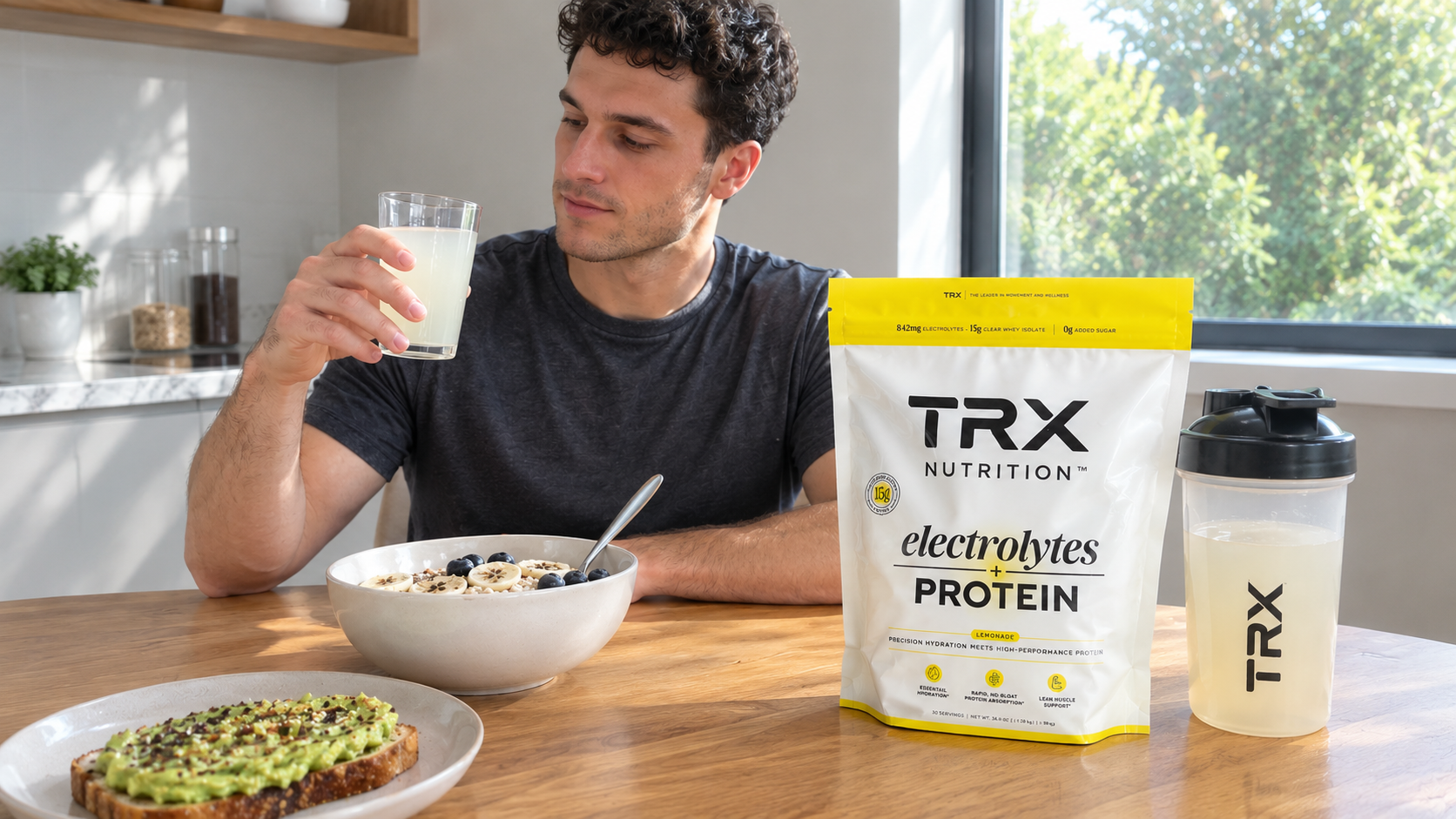
TRX Nutrition™ Electrolytes + Protein lists 15 grams of clear whey isolate and 845 milligrams of electrolytes per serving, so it is a practical option only when dairy and combined protein-plus-electrolyte convenience fit your routine.
Whey Protein vs Plant Protein: The Short Answer
In a whey vs plant protein comparison, both options can support training when total intake and serving quality fit the plan. Whey comes from milk and supplies all nine essential amino acids.
Plant protein covers a wider field, including soy, pea, rice, and hemp. Many formulas combine sources to broaden the amino acid profile.
Your best fit depends on dietary pattern, milk allergy or lactose tolerance, serving size, ingredient preferences, budget, and taste. Use the comparison below as a starting point, then read the actual product label before you buy.
|
Factor |
Whey protein |
Plant protein |
|
Source |
Derived from milk |
Pea, soy, rice, hemp, or blends |
|
Amino acid profile |
Complete, with all nine essential amino acids |
Varies by source. Blends can complement amino acid profiles |
|
Leucine context |
Naturally tends to provide more leucine per gram |
Amount varies, so compare the serving and amino acid information |
|
Dietary fit |
Fits omnivorous and vegetarian diets |
Fits vegan, vegetarian, and dairy-free patterns |
|
Allergen considerations |
Contains milk. Lactose content varies by format and product |
May contain soy, nuts, or other allergens. Check the full label |
|
Taste and texture |
Often creamy. Clear whey is lighter |
Can be earthy, thick, or smooth depending on the source and formula |
|
Label checks |
Protein per serving, whey format, lactose claims, ingredients, and allergens |
Protein per serving, source or blend, amino acids, ingredients, and allergens |
|
Best-fit scenario |
You tolerate dairy and want a convenient complete protein |
You avoid dairy, eat vegan, or prefer a plant formula |
The table skips a universal winner for good reason. A strong choice meets your needs and makes the routine easier to repeat.
You do not need protein powder to build muscle. Meat, fish, eggs, dairy, soy foods, beans, lentils, grains, nuts, and seeds can all contribute to daily protein. A powder earns its place when convenience, appetite, schedule, or portability makes food alone harder to manage.
How Whey and Plant Protein Differ
Protein source changes more than the name on the front of the pouch. It can affect the amino acid profile, allergen statement, dietary fit, flavor, texture, and the amount of powder needed for a serving.
Category shortcuts will trip you up. Whey concentrate and isolate differ in protein concentration and lactose content. Hydrolyzed whey has been treated with enzymes that break protein or lactose into smaller components. Plant powders vary as much, from single-source soy or pea to blends that pair rice with pea and other combinations.
What Whey Protein Brings to a Training Plan
Whey is a milk-derived protein. It contains all nine essential amino acids, including leucine, one of the amino acids involved in muscle protein synthesis. That makes whey a convenient way to add high-quality protein to a meal or snack.
Common formats include whey concentrate, isolate, and hydrolysate. Products marketed as clear whey should state the exact whey form and ingredients on the label. This guide to clear whey versus regular whey explains the format difference in more detail.
Whey formats vary in price and product design, but the label matters more than the format name. Compare the ingredient list and nutrition panel instead of assuming one format is necessary for progress.
Focus on protein per serving, ingredients, the allergen statement, and tolerance. Whey still contains milk, even when the finished drink looks more like lemonade than a milkshake.
What Plant Protein Brings to a Training Plan
Plant powders can use one source, such as soy or pea, or combine sources such as pea and rice. Blends can complement the amino acid strengths of different plants. The result may be more useful than judging the powder by a single vegan claim on the front.
Serving design matters here. Two plant powders can deliver different protein amounts from scoops of widely different sizes. Compare grams of protein against the full serving rather than the scoop count, and check whether the product publishes an amino acid profile.
Plant protein is the obvious lane for vegan eating patterns, and it can suit people who avoid dairy. But plant-based does not automatically mean allergen-free, easier to digest, or more nutritious. Soy is a major food allergen, and ingredients such as gums, fibers, and sweeteners vary widely between products.
Look at grams of protein, serving size, protein sources, amino acid information when available, and the full ingredient panel. Taste and texture matter too. A powder that turns every shake into a chore will not earn many repeat appearances.
How Does Clear Whey Fit This Comparison?
Clear whey is still whey, so it does not change the basic whey-versus-plant decision. It offers a lighter, lemonade-style format instead of a creamy shake, but it still contains milk and does not fit vegan diets or milk allergies.
TRX Nutrition™ Electrolytes + Protein is a useful worked example. Its label lists 15 grams of clear whey isolate and 845 milligrams of electrolytes per serving. That combination fits when protein and sweat replacement share the same window, not when a plant-based protein is the better dietary fit.
Which One Supports Muscle Growth Better?
Training quality and adequate total protein do most of the heavy lifting. Protein source can change amino acid delivery and serving strategy, yet progressive resistance training and enough food still carry more weight.
A 2021 systematic review and meta-analysis of randomized trials found no difference between animal and plant protein for changes in absolute lean mass or muscle strength. The analysis did find a small advantage for animal protein in percentage lean mass, especially among younger adults.
That is useful context, not a knockout punch. Group averages cannot tell you which powder fits your diet, preferences, or individual response.
That evidence explains why dramatic winner-takes-all claims miss the mark. Research compares groups under controlled conditions. Your daily intake, training effort, meal pattern, and willingness to keep using the product will shape the practical result.
Protein Quality, Leucine, and Complete Amino Acid Profiles
A complete protein contains all nine essential amino acids. Your body cannot make these amino acids on its own, so food has to supply them. Leucine is one of those essentials and plays an important signaling role in muscle protein synthesis.
Whey naturally delivers a complete profile and tends to be rich in leucine. Some plant sources provide lower amounts of one or more essential amino acids, so a plant powder may use complementary sources or a larger serving.
That does not make every blend equal. Check the label for protein per serving and amino acid details when the manufacturer provides them.
Why Total Daily Protein and Training Still Lead
Total daily protein and consistent training set the foundation for adaptation. A powder is one way to help meet intake. The NIH Office of Dietary Supplements notes that athletes may need about 1.2 to 2.0 grams of protein per kilogram of body weight per day.
Treat that as broad context, not a personal prescription. Training volume, total calorie intake, age, body size, goals, and health history all affect individual needs.
Spread protein-containing foods across meals, then decide whether a supplement solves a real convenience problem. The best post-workout foods can cover the job without a powder. If your needs are unclear, a registered dietitian or another qualified professional can help you personalize the plan.
Digestion, Allergens, and Dietary Fit
Tolerance is personal, and source alone does not predict it. One person may prefer whey isolate, another may feel better with soy or a pea-rice blend, and someone else may dislike the sweetener or thickener rather than the protein itself.
Ask four questions before choosing. Do you have a diagnosed food allergy, an intolerance, a dietary restriction such as vegan eating, or a problem with certain added ingredients? Each issue can send a product back to the shelf for a different reason.
Milk Allergy, Lactose Intolerance, and Ingredient Labels
Whey is derived from milk. The FDA lists milk among the nine major food allergens and shows that labels may identify whey as "whey (milk)." If you have a milk allergy, a lactose claim does not make a whey product appropriate. Follow your clinician's guidance and the current allergen statement.
Lactose intolerance is different from a milk allergy. Lactose amounts can vary by whey format and product, so do not assume every concentrate, isolate, hydrolysate, or clear whey will work the same way for you. Read the full label rather than relying on a "low lactose" or "easy to digest" headline.
Plant products need the same care. Check for soy, nuts, or other allergens, along with cross-contact statements that matter for your situation. Sweeteners, gums, thickeners, fibers, and flavorings deserve a scan too, since the supporting cast may be what bothers you.
How to Choose Based on Your Training and Routine
Start with dietary fit, then narrow the field with label quality and real-world usability. You are not picking a protein for a laboratory shelf. You are picking one for rushed mornings, late sessions, travel days, and the moments when cooking is not practical.
Use taste, texture, cost per serving, and mixing convenience as legitimate decision criteria. A theoretically perfect powder that stays sealed in the pantry becomes expensive decor.
Can One Protein Powder Cover Every Training Need?
No protein powder covers every training need. Protein, hydration, food quality, and training each do a different job, so extra ingredients only help when they match the session.
TRX Nutrition™ pairs clear whey with electrolytes in one formula, but that convenience should not replace the rest of your plan. Use the label to decide whether the combined format fits the day, then keep whole foods, fluids, and a repeatable training program in their own lanes.
Best Fit for Strength and Hypertrophy
For a strength or hypertrophy goal, prioritize a consistent strength-training program and enough total daily protein. Whey offers a convenient complete-protein serving. A well-formulated plant blend can fit when the serving delivers an appropriate amount of protein and a useful essential amino acid profile.
Choose whey if it fits your diet and you tolerate the format. Prefer plant protein when it better matches your eating pattern, taste, or values.
Either way, compare the full serving. A source name on the front of the pouch says little about the formula inside.
Best Fit for Plant-Based or Dairy-Free Diets
A plant powder is the practical choice for a vegan diet and often makes sense for dairy-free eating. Look for a complete soy formula or a complementary blend, then compare protein per serving and amino acid details when available.
Do not let a leaf graphic do the decision-making for you. Vegan tells you what is excluded. It does not tell you the serving size, allergen risk, sweetness, texture, or whether you will enjoy the product enough to use it.
Best Fit for Long, Hot, or High-Sweat Sessions
Protein and hydration solve different problems. Protein provides amino acids. Fluids and electrolytes help replace what you lose through sweat during long or hot sessions.
A combination product can be handy, but it still needs to match the job you want it to do. If you are deciding whether protein belongs in the session at all, this guide to protein during a workout explains where it may fit.
TRX Nutrition™ Electrolytes + Protein is one first-party example for athletes who want clear whey and electrolytes in the same drink. The current product page lists 15 grams of clear whey isolate, 845 milligrams of electrolytes, 80 calories, and no added sugar per serving. It contains milk.
That format may suit someone who wants a lighter lemonade-style drink around a sweaty session. Use this guide to taking electrolytes before or after a workout if timing is part of your hydration decision. It will not suit a vegan diet or a milk allergy. Treat it as an option, not the answer for everyone, and verify the live label before use.
How to Compare Protein Powder Labels
Front-of-pack claims are built to catch your eye. The nutrition panel, ingredient list, allergen statement, and serving directions tell you what you are buying. Use the same checklist for whey and plant powders so the comparison stays fair.
Start with the job you want the serving to do. A basic protein powder and a protein-plus-electrolyte formula solve different needs, so comparing them as if they were interchangeable gets messy fast. Extra ingredients earn their place only when they add convenience you will use.
A Practical Label Checklist
-
Check the protein source and grams of protein per serving.
-
Review the serving size and number of servings in the container.
-
Look for essential amino acid or leucine information when it is available.
-
Read the allergen statement and any cross-contact warning.
-
Scan sweeteners, gums, thickeners, flavors, fibers, and other added ingredients.
-
Separate protein features from extras such as electrolytes or performance ingredients.
-
Compare taste, texture, price per serving, and the role the powder will play in your routine.
Formulas change, so check the current package before every purchase. If a claim feels vague, skip the guesswork and look for a specific amount or ingredient on the label.
Pick the Protein Routine You Can Repeat
In the whey protein vs plant protein decision, whey offers a convenient complete protein. A well-formulated plant option can support training too, provided the serving fits the rest of your diet. Let your tolerance, label requirements, taste, budget, and routine make the call, then keep whole foods at the center of the plan.
Your protein choice only works if it survives real life. Pick the format you will drink, check the current label against your diet, and pair it with meals and training you can repeat. TRX brings performance nutrition and scalable functional training into the same routine, which gives you a practical next step without turning one powder into the whole plan.
If clear whey with electrolytes fits those needs, explore TRX Performance Nutrition.
Keep the nutrition choice proportional to the rest of your plan. Protein powder cannot replace meals, hydration, or a strength routine you can sustain.
Then pair your nutrition choice with training you can repeat, whether that means following TRX strength guidance or building a portable setup with a TRX Suspension Trainer™.