
In the pursuit of our fitness goals, our bodies adapt and strengthen in response to the challenges we put them through. They also adapt and lose size and strength in response to our lack of challenging them. While a day or two off for recovery is normal and necessary, sometimes we take more time off than we’d like. Injuries, illnesses, or the just demands of life can sometimes interrupt our exercise routines for weeks at a time, leading us to wonder: How long does it take to lose muscle if you stop working out?
Muscle atrophy, the loss of muscle tissue due to inactivity, can happen quickly for some, but slower for others, depending on quite a few factors. Understanding these factors, timelines, and strategies behind muscle loss can help us to make better-informed choices about our fitness journey. So, let's get into the science behind what happens to our muscles when we get thrown off our routine.
Muscle Loss Timeline
Week 1-2: Glycogen stores deplete, muscles may feel softer. Strength begins to decline slightly. No significant actual muscle mass loss.
Week 2-3: Neuromuscular efficiency drops. Strength can decrease 5-10%. Muscle size begins to decrease.
Week 3-4: Measurable muscle atrophy begins. Approximately 0.5-1% muscle mass loss per week of complete inactivity.
Month 2+: More significant atrophy, particularly in trained individuals adapted to high training volume.
Factors That Affect How Fast You Lose Muscle
Not everyone loses muscle at the same rate. Here are the biggest factors:
Age: Older adults lose muscle faster during inactivity than younger adults. After age 30, baseline muscle loss (sarcopenia) accelerates, and periods of inactivity compound this effect.
Training history: People who have trained for years tend to lose muscle more slowly than beginners. Their muscles have a higher baseline and more "muscle memory" (myonuclei), which makes regaining lost muscle faster once training resumes.
Protein intake: Eating sufficient protein (0.7-1g per pound of body weight per day) during periods of inactivity significantly slows muscle loss. Low protein intake accelerates atrophy.
Activity level: Complete bed rest causes the fastest muscle loss. People who remain generally active (walking, light activity) but stop structured training lose muscle much more slowly than those who are completely sedentary.
Injury vs. voluntary detraining: An injury that immobilizes a limb (cast, crutches) causes faster and more localized atrophy than simply choosing to skip the gym. Immobilization removes all muscle loading, which is the primary signal for muscle maintenance.
How to Minimize Muscle Loss When You Cannot Train
If you are taking time off from training due to travel, injury, illness, or life circumstances, here is how to keep as much muscle as possible:
Keep protein high: Maintain an intake of 0.7-1g of protein per pound of body weight per day, even if you are not training. Protein provides the amino acids your muscles need to resist breakdown. This is the single most important factor you can control.
Do the minimum effective dose: Research shows that even one strength training session per week is enough to significantly reduce muscle loss compared to doing nothing. You do not need your full program — just hitting each major muscle group once per week with a few hard sets preserves most of your muscle.
Stay generally active: Walk, take stairs, stretch, do bodyweight movements. General physical activity sends maintenance signals to your muscles that pure inactivity does not.
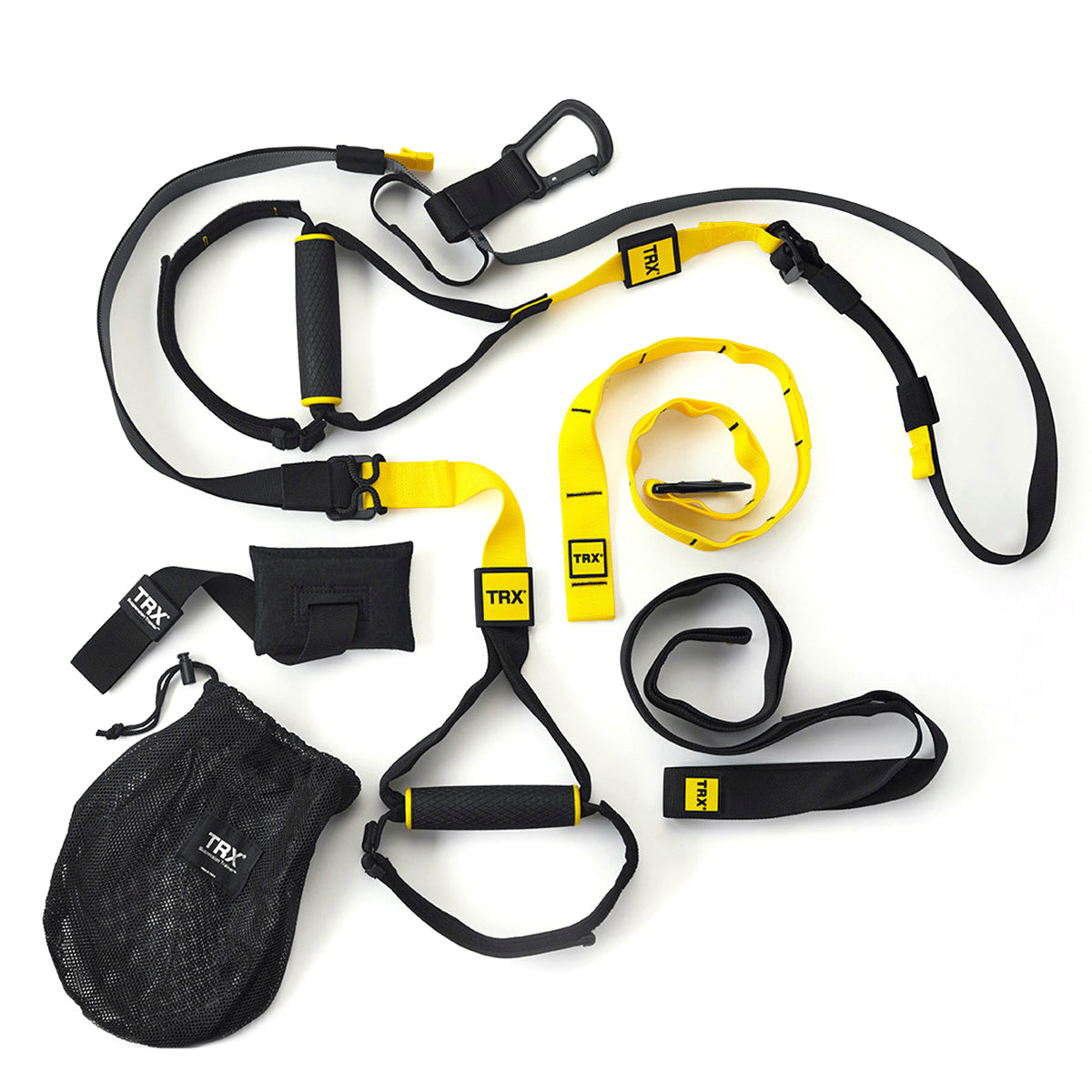
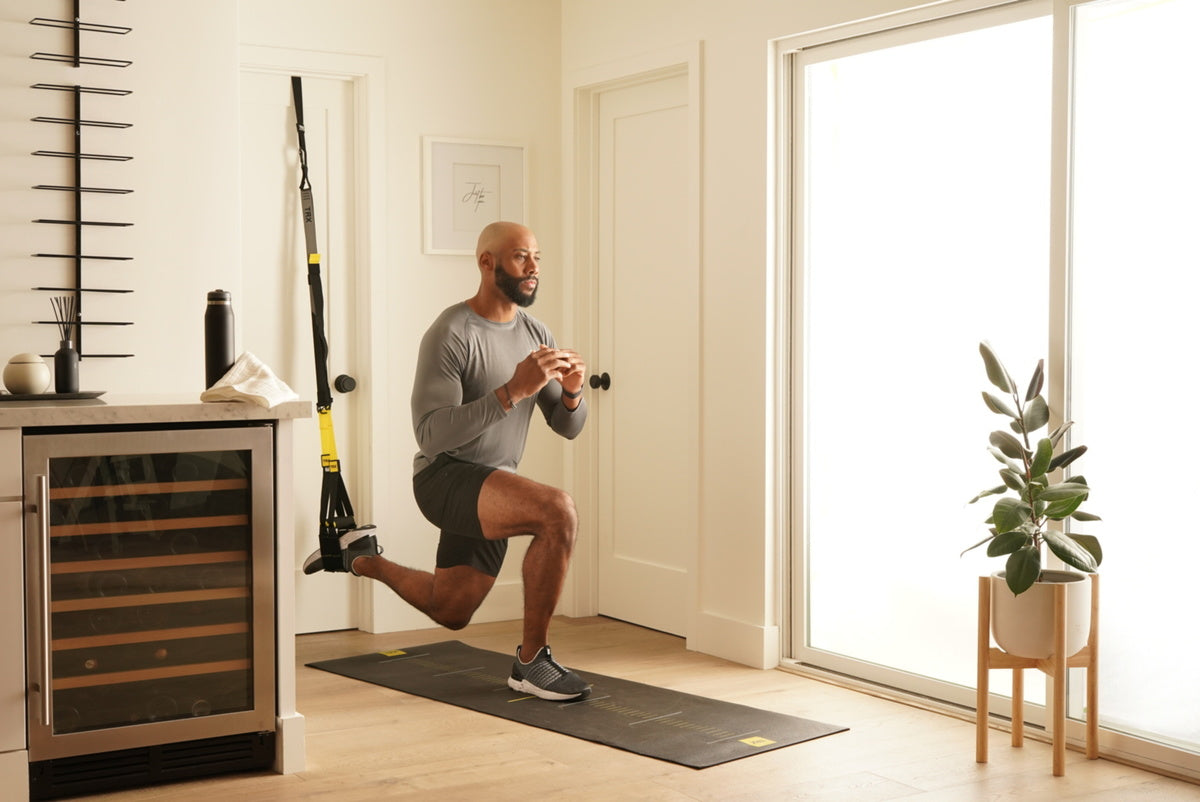
Use a TRX for maintenance training: A TRX suspension trainer weighs under 2 lbs and fits in any bag. If you are traveling or cannot get to a gym, a 20-minute TRX session covers your entire body and provides enough resistance to maintain muscle. Even two TRX sessions per week while traveling can prevent meaningful muscle loss.
Do not panic about short breaks: If you take 1-2 weeks completely off, you will not lose significant muscle. Your muscles may feel softer due to glycogen depletion and reduced blood flow, but actual tissue loss takes longer. You will regain your previous level within 1-2 weeks of resuming training.
How Fast Can You Lose Muscle?
Keep in mind there's a crucial distinction between temporarily pausing your workout routine (like during a vacation) and complete physical inactivity (such as being bedridden due to illness or injury). (Wondering how to adjust your fitness routine around life's interruptions? Our quick assessment can create a customized plan that adapts to your schedule and circumstances!) While missing 2-3 weeks of structured workouts will cause some decrease in strength, maintaining regular daily movement and activity can help minimize these losses.
Take Our Training Quiz
Being completely inactive or immobilized results in more loss at a faster pace. Here are some general timelines of muscle atrophy for complete inactivity:
Early Changes: Research suggests that within the first two weeks of complete inactivity or immobilization, noticeable changes in muscle size and strength can occur. Some studies have shown that muscle protein synthesis starts to decline after a few days of disuse.
Moderate Atrophy: After around two to three weeks of inactivity, more significant muscle atrophy can be observed. Studies have found that individuals can experience a loss of about 1-3% of muscle mass per week during this phase.
Accelerated Atrophy: Prolonged periods of inactivity, such as four weeks or more, can lead to more rapid muscle loss. During this phase, muscle protein breakdown can become more prominent than synthesis, contributing to accelerated atrophy.
How to Tell If You're Losing Muscle
If you’re obsessed with spreadsheets, keeping track of your workouts, and measuring workout volume (number of reps x amount of weight lifted) you’ll be able to notice quickly if your numbers start decreasing. If you don’t have any of these measurements or records on hand, don’t worry. Noticing diminishing strength during exercises you previously found easy is telling enough. Lower muscle mass equals lower strength. You’ll feel it.
The same goes for those who take progress photos of their physique and/or take circumference or body fat measurements for composition - you’ll notice quickly the changes in muscle definition. If you haven’t done this, consulting a fitness professional can help you learn how to keep track of your body composition. Remember: what gets measured gets managed.
It’s important to remember that there’s a difference between muscle soreness and true muscle loss. While soreness dissipates after a few days, muscle loss requires weeks of inactivity to happen.
How to Build Back Muscle
Stopping muscle loss and rebuilding it demands focused nutrition and exercise. Professional guidance can speed up the process.
1. Maintain Calorie Intake
A calorie is a unit of measurement for energy and you get these from the food you eat. Eating enough calories to get you through your workouts is paramount to building and keeping muscle. Calculate your maintenance calories, adjusting for activity level, to ensure you're providing your body with the energy it needs to build back muscle mass. We recommend figuring out how many calories you burn in a workout so that you can have an idea how many calories you need to eat every day. Keep in mind that extreme caloric deficits can amplify muscle loss, so opt for a balanced approach that supports muscle recovery. It may be best to consult a fitness or nutrition professional for help.
2. Eat Protein
Protein plays a critical role in muscle repair and synthesis. When you challenge your muscles, small tears or damage occur in the muscle fibers (this is the soreness you feel after your workout). Protein is essential for repairing these microtears and building new muscle tissue. During the recovery process, your body uses amino acids, the building blocks of protein, to repair and rebuild the damaged muscle fibers, making them stronger and more resilient. Adequate protein intake provides the necessary amino acids for this process. Essential amino acids, which cannot be produced by your body and must be obtained through diet, are especially crucial.
Protein intake is not only important immediately after exercise but also over the long term to support continuous muscle maintenance and growth. Prioritize high-quality protein sources like lean meats, poultry, fish, eggs, and plant-based options.
Aim for an adequate intake to fuel recovery; recommendations typically hover around 1.2 to 2.0 grams of protein per kilogram of body weight.
Related Article: Remedies for Muscle Recovery
3. Build Your Muscles Through Training
Try crafting a comprehensive full-body 6 day workout plan to regain lost muscle. Begin with low to moderate resistance and gradually intensify to prevent injuries. A combination of resistance training and cardiovascular exercises fosters overall fitness while minimizing muscle loss.
Stop Losing Muscle Today
Remember, if you’re not injured or bedridden, try to get back to resistance training when you can. You’ve got about 2-3 weeks before you lose a significant amount of muscle mass and strength.
If you are injured, incorporating light resistance exercises can help to maintain muscle function and metabolic health. Again, it may be in your best interest (of time and sanity) to consult a fitness professional or physical therapist to help guide you through this process, as they can tailor a plan specific to your needs.