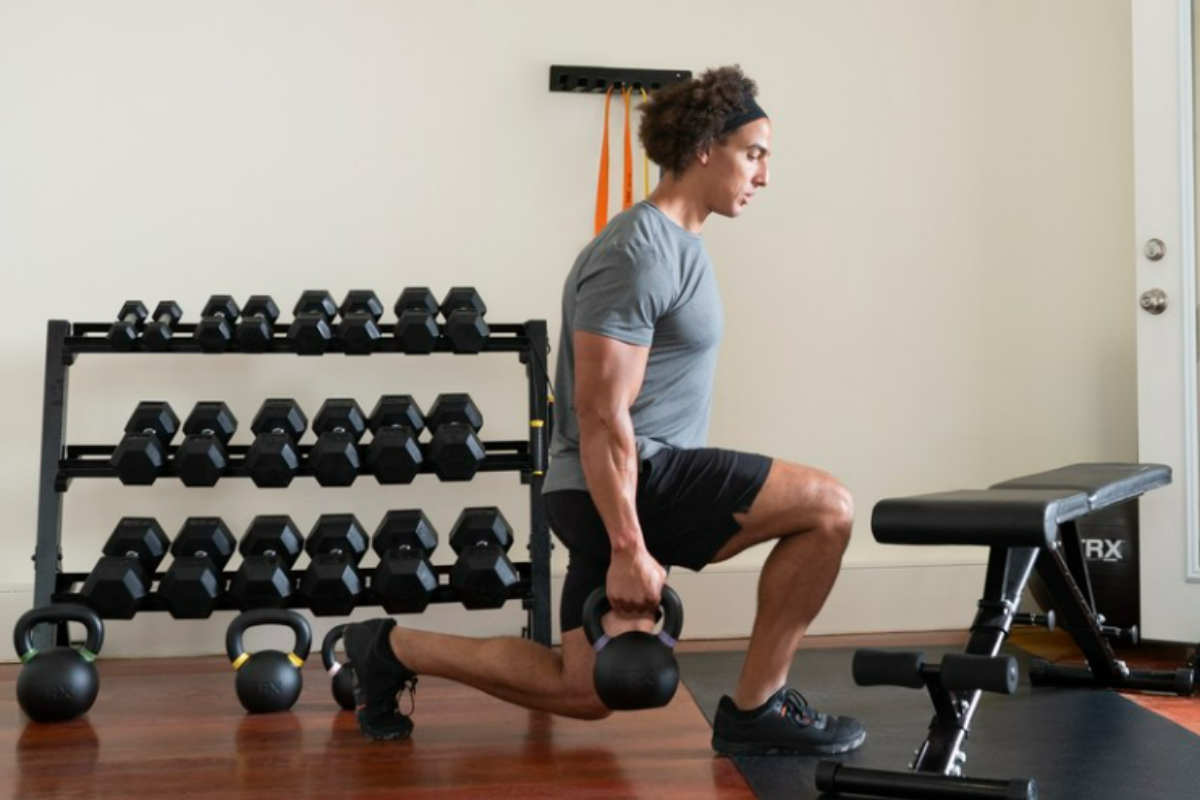

So, you're ready to step back into the gym or start moving again after a break. That's a smart call. This 4-week workout plan is designed to ease you into fitness with a mix of strength training, cardio, and conditioning to build your foundation safely and effectively.
No guesswork. No overwhelming routines. Just solid steps to regain strength, boost endurance, and get your confidence back. Stick with it, push yourself safely, and you'll set the stage for long-term fitness gains.
Ready to get moving? Keep reading.
TLDR: Here's A Quick Read for You
A 4-week plan blends strength, cardio, and conditioning to rebuild fitness safely.
Progressive overload and workout variation keep muscles challenged while preventing injury.
Suspension training adds versatility and core engagement, perfect for home or gym workouts.
Our 4-Week Workout Plan to Jumpstart Your Gym Comeback
Getting back into fitness after a break can feel daunting. You worry about losing gains, risking injury, or just not knowing where to start. That's exactly why this plan exists. It's a well-rounded schedule that mixes strength training with cardio and conditioning.
This combination rebuilds muscle, boosts endurance, and increases metabolism without overtraining. The workouts use a gradual intensity increase, keeping you injury-free while making steady progress.
One thing worth mentioning: this plan is flexible. Everyone's starting point and goals differ. If you're brand new to exercise, take your time with the weights and reps. If you have some experience, push yourself a bit harder.
The key is to listen to your body while following the structure. Whether you're looking for a beginner workout routine or want to advance your training, this program adapts to your fitness level.
What You'll Need to Get Started
You don't need a fancy gym or expensive equipment to start. Minimal gear can take you far. Here's what you'll want:
-
Dumbbells (adjustable if possible)
-
Resistance bands
-
Access to basic gym machines (optional)
-
TRX Suspension Trainer (highly recommended for versatility)
Dumbbells are essential because they allow you to progressively increase weight at home or in the gym. Resistance bands provide variable resistance without heavy weights and can assist or challenge your movements depending on how you uWith your equipment ready, here’s how the weekly program is organized for balance and results.o a gym, machines like leg press, cable pulleys, and lat pulldown can complement your workouts. But don't worry if you don't.
Bodyweight exercises and suspension training fill the gap, offering plenty of challenge through movement patterns and core engagement. This makes it an ideal beginner weightlifting workout setup that can grow with you.
How Is The Program Structured?
This 4-week plan follows a weekly split that balances different training types:
-
Day 1: Lower body strength
-
Day 2: Low-intensity cardio
-
Day 3: Upper body strength
-
Day 4: Low-intensity cardio
-
Day 5: Interval conditioning (HIIT style)
-
Days 6 and 7: Rest or active recovery
The rationale behind this split is simple but effective.
Strength days focus on major muscle groups, while cardio days promote recovery and cardiovascular health without overtaxing the system. Interval conditioning days boost metabolism and power through short bursts of high effort.
Rest days are crucial. They allow muscles to recover and adapt, which is when real strength gains happen. These complete body exercise sessions ensure balanced development across all muscle groups.
Week 1: Building Your Foundation
This week is all about getting back into movement safely. We're focusing on light weights, higher reps, and mastering form. It might feel easy, but setting a solid foundation now prevents injuries and trains your muscles and nervous system to move efficiently.
Day 1: Lower Body Strength
Exercises (Sets x Reps):
-
Goblet Squats (3x12) - Targets quads, glutes, and core
-
Dumbbell Romanian Deadlifts (3x12) - Hits hamstrings, glutes, and lower back
-
Walking Lunges with Dumbbells (3x20 total, 10 each leg) - Works quads, glutes, and stabilizers
-
TRX Suspension Squats (3x12) - Builds leg strength with support for balance
-
TRX Single-Leg Deadlifts (3x12 each leg) - Strengthens hamstrings and balance
-
Leg Press Machine (3x12) - Focuses on quads and glutes
-
Leg Curl Machine (3x12) - Isolates hamstrings
Form Cues:
-
Goblet Squats: Chest up, weight on heels, sit back like in a chair.
-
Deadlifts: Neutral spine, hinge at the hips, bar close to legs.
-
Walking Lunges: Step far enough to keep knee behind toes, shoulders stacked, push through front heel.
Warm-up: 5-10 minutes of light cardio (walking, cycling) plus dynamic stretches like leg swings, hip circles, and bodyweight squats.
Starting Weight:
-
Goblet Squat: 10-25 lbs (beginner), 30-45 lbs (more experienced)
-
Deadlift: 20-40 lbs dumbbells or 45 lb bar
-
Walking Lunges: Start bodyweight, add 5-15 lb dumbbells if steady
Focus on controlled, slow movements. These foundational exercises hit your major leg and glute muscles while training balance and coordination; perfect for Week 1.
Day 2: Low-Intensity Cardio
This is active recovery. The goal? Keep moving without taxing your body.
Options include walking, light jogging, cycling, or swimming. Aim for 20+ minutes at a pace where you can hold a conversation. This supports fat burning and prepares you for upcoming workouts.
Don't underestimate the power of this low-intensity effort. It improves blood flow, clears out metabolic waste, and sparks aerobic conditioning without breaking down your muscles. This approach is particularly effective as part of a strength workout for weight loss when combined with proper recovery.
Day 3: Upper Body Strength
Exercises:
-
Pull-Ups or Lat Pulldowns, 3 sets of 12 reps
-
Overhead Press, 3 sets of 12 reps
-
Bent-Over Rows, 3 sets of 12 reps
-
Bench Press, 3 sets of 12 reps
Modifications:
Use assisted pull‑ups, lighter dumbbells, or a reduced range of motion if you're rebuilding strength. Bands can also support your pull‑ups, and machines offer stable pressing options if free weights feel shaky.
How these movements balance the body:
Pulling and pressing exercises support posture, shoulder stability, and upper body strength. They also pair well with the lower body work by training both anterior and posterior chains, helping the whole body move more efficiently.
This mix keeps development even, reduces injury risk, and supports stronger lifts across the rest of the program. If you're dealing with any shoulder concerns, check out these shoulder stability exercises to complement your training.
Day 4: Low-Intensity Cardio
Repeat similar cardio from Day 2, but try a different activity if possible to keep things interesting. For example, if you walked on Day 2, try cycling or swimming today. This variation keeps your mind engaged and works different movement patterns.
Day 5: Interval Conditioning
Short bursts of effort followed by rest. This wakes up your metabolism and builds power.
Circuit (3 rounds, 15 sec work/15 sec rest):
-
Bodyweight Squats or Jump Squats
-
Box Step-Ups or Power Step-Ups
-
Alternating Lunges or Jumping Lunges
-
TRX Suspension Mountain Climbers
-
Burpees
This session is challenging but manageable. Scale movements to your fitness level. For instance, swap jump squats for regular squats if your knees feel tender.
Interval training improves both aerobic and anaerobic systems, helping you burn calories and build endurance simultaneously. Plus, it's time-efficient. For those managing knee concerns, explore these exercises for knee pain to modify your routine safely.
Week 2: Increasing the Challenge
Week 2 nudges your progress forward. Same exercises, but increase the weight slightly and add one more conditioning round. Don't rush. If form falters or fatigue hits, hold steady before upping intensity.
Day 1: Lower Body Strength
Add 5-10 pounds to weights. Warm up properly and maintain form.
Exercise options:
-
Barbell Back Squats (3x12)
-
Barbell Deadlifts (3x12)
-
Walking Lunges with Dumbbells (3x20)
-
TRX Suspension Assisted Pistol Squats (3x10 each leg)
-
Bulgarian Split Squats (3x12 each leg)
-
Leg Press and Leg Curl Machines (3x12 each)
With pistol squats, use the TRX straps for balance assistance. This helps develop single-leg strength and stability safely. These movements are excellent for a weight loss exercise plan when paired with proper nutrition and rest.
Day 2: Low-Intensity Cardio
Increase duration or pace slightly. Keep it conversational. If you walked 20 minutes last week, try 22-24 minutes this week. Or pick up the pace just a bit. The goal is gradual aerobic improvement without fatigue.
Day 3: Upper Body Strength
Add a warm-up set and increase weight conservatively.
Exercise options:
-
Pull-Ups or Lat Pulldowns (3x12)
-
Dumbbell Overhead Press (3x12)
-
Bent-Over Dumbbell Rows (3x12)
-
Barbell Bench Press (3x12)
-
TRX Suspension Y-Fly (3x12)
-
TRX Atomic Push-Ups (3x10)
-
Cable Triceps Extensions (3x12)
-
Hammer Curls (3x12)
TRX Y-Fly and Atomic Push-Ups target smaller stabilizing muscles and challenge your core. These help improve shoulder health and functional strength. If you're recovering from shoulder issues, consider this shoulder prehab routine for additional support.
Day 4: Low-Intensity Cardio
Try outdoor options or new cardio machines for variety. Mixing environments can boost motivation and reduce boredom. Maybe a brisk walk in a park or a gentle swim at the local pool.
Day 5: Interval Conditioning
Four rounds of the same circuit, push for more advanced variations if ready. Consider swapping box step-ups for power step-ups or adding a jump to mountain climbers if you feel strong.
Week 3: Shifting to Strength Building
Now you switch to heavier weights with fewer reps (3 sets of 8). This shift focuses on building strength and muscle. This is where your exercises for total body transformation really begin to take shape.
Day 1: Lower Body Strength
Choose weights challenging enough to fatigue muscles on the last reps.
Exercises:
-
Barbell Back Squats (3x8)
-
Barbell Deadlifts (3x8)
-
Walking Lunges with Barbell or Dumbbells (3x16 total)
-
TRX Suspension Hamstring Curls (3x10)
-
Bulgarian Split Squats with Dumbbells (3x8 each leg)
-
Leg Press and Leg Extension Machines (3x10 each)
The TRX Hamstring Curl is a great way to strengthen the posterior chain with minimal joint stress. Keep hips elevated and control the descent. For runners looking to improve their lower body strength, these exercises for runners can complement this program.
Day 2: Low-Intensity Cardio
Continue gradual increases, but keep it easy enough for recovery. You might find breathing easier and your endurance improved by now. That's a sign your aerobic base is growing.
Day 3: Upper Body Strength
Heavier loads, 3x8 reps.
Exercises:
-
Pull-Ups or Lat Pulldowns (3x8)
-
Barbell Overhead Press (3x8)
-
Barbell Bent-Over Rows (3x8)
-
Barbell Bench Press (3x8)
-
TRX Suspension Inverted Row (3x10)
-
TRX Pike Push-Ups (3x8)
-
Cable Triceps Extensions (3x10)
-
Barbell Biceps Curls (3x10)
The TRX Pike Push-Up challenges shoulder strength and core stability simultaneously. Keep hips high and elbows flared slightly.
Day 4: Low-Intensity Cardio
Maintain consistency and enjoy the active recovery. Try to make these sessions enjoyable. Listening to music or podcasts can help pass the time.
Day 5: Interval Conditioning
Five rounds with advanced exercises like jump squats and TRX power pulls. This increased volume boosts metabolic conditioning and fat burning.
Week 4: Solidifying Your Comeback
Week 4 marks the moment everything clicks. Your strength, conditioning, confidence, and consistency come together to close out this four-week journey with purpose.
Day 1: Lower Body Strength
You return to the 3x8 structure with progressive loading from Week 3. This is the week to push your weights while staying sharp with form.
Exercise Options:
-
Barbell Back Squats (3x8)
-
Barbell Deadlifts (3x8)
-
Walking Lunges with Barbell or Dumbbells (3x16)
-
TRX Suspension Single-Leg Squat (3x8 each leg)
-
Front Squats (3x8)
-
Leg Press (3x10)
-
Leg Curl Machine (3x10)
Day 2: Low-Intensity Cardio
Increase your time or pace by 5-10% from Week 3. This session should feel noticeably smoother than Week 1, showing clear improvement in aerobic capacity.
Day 3: Upper Body Strength
Follow the same 3x8 format with the heaviest weights of the month.
Exercise Options:
-
Pull-Ups or Lat Pulldowns (3x8)
-
Barbell Overhead Press (3x8)
-
Barbell Rows (3x8)
-
Barbell Bench Press (3x8)
-
TRX Suspension Fallout (3x8)
-
Dumbbell Incline Press (3x8)
-
Dips (3x10)
-
Hammer Curls (3x10)
Day 4: Low-Intensity Cardio
Repeat your steady-state routine with its final progression. These sessions support recovery and help maintain consistent movement.
Day 5: Interval Conditioning
Finish strong with six full rounds of conditioning, double what you completed in Week 1. Each station follows a 15-second work and 15-second rest format.
Circuit: Jump Squats, Power Step-Ups, Jumping Lunges, TRX Suspension Burpees, Standard Burpees, Mountain Climbers.
Why Suspension Training for Your Gym Comeback?
Suspension training is a game-changer for those easing back into fitness. The TRX Suspension Trainer uses your bodyweight and instability to recruit more muscles, especially the core. This functional approach not only builds strength but also improves balance and mobility.
It's portable and low-impact, making it perfect for home workouts or gym sessions. Compared to traditional machines, suspension training forces your body to stabilize itself through multiple planes of motion. This not only builds muscle but also enhances joint health and proprioception.
Plus, suspension exercises are scalable. You can adjust difficulty by changing your body angle or position, making it accessible for beginners and challenging for seasoned athletes. For those recovering from injuries, TRX offers specialized physical therapy and rehab programs to support your comeback.
Training at Home vs. the Gym: Your Comeback Can Happen Anywhere
Gyms offer variety and heavier weights. Home workouts bring convenience and time savings. With suspension trainers, resistance bands, and dumbbells, you can replicate most exercises from the gym.
This 4-week plan can be adapted easily. Swap machines for bodyweight or suspension exercises at home. Keep the focus on progressive overload and consistent effort. Set a dedicated workout space, keep equipment accessible, and schedule sessions like appointments. These are among the best workout routines you can follow regardless of location.
What Results Can You Expect After This 4 Week Plan
Four weeks isn't long, but it's enough to:
-
Improve muscular strength and endurance
-
Boost cardiovascular fitness
-
Burn fat and build lean muscle to some degree
Results depend on your starting point, nutrition, and consistency. More important than numbers is that you've rebuilt the habit of regular training and gained confidence to keep going. Ready for the next challenge? Graduate to our six-day workout split to continue building muscle and strength with a higher training frequency.
Research shows beginners can increase strength by 10-20% in a month. Cardiovascular capacity also improves measurably, making daily tasks feel easier. Remember, progress is not always linear. Some days will feel tougher. Keep showing up, and your body will reward you.
What Happens After Week 4? Continuing Your Progress
Keep the momentum by repeating this cycle with heavier weights, extending each phase for longer, or trying advanced splits or specialized programs. Listen to your preferences. Do you enjoy strength days more? Or the cardio and conditioning? Let that guide your next steps.
Adding variety prevents plateaus and keeps training fresh. Consider adding mobility work or yoga to complement strength and cardio. If you're interested in Pilates-style workouts with TRX, that's another excellent option for continued progress.
Comeback Success: Tips for the Whole Process
-
Fuel your body with enough protein and calories for recovery and gains
-
Prioritize sleep and rest days to avoid burnout
-
Track workouts and celebrate small wins to stay motivated
-
Focus on form before weight to protect your joints
-
Stay patient; lasting changes take time
Consistency beats intensity when you're rebuilding fitness. You're not chasing perfection but progress. Set reminders for workouts and prepare your gear in advance. Small habits build big results.
If soreness lingers beyond 72 hours or pain arises, dial back intensity and consider consulting a professional. Understanding how a fitness routine helps with anxiety can also motivate you to stay consistent through challenging days.
For those recovering from specific injuries, explore injury rehab resources with TRX or check out lower extremity injury protocols to ensure safe progression.
Explore top-rated gear here in TRX Training and learn the research behind better movement.
References
American College of Sports Medicine. "ACSM's Guidelines for Exercise Testing and Prescription." ACSM, 2018, www.acsm.org.
National Institute on Aging. "Exercise and Physical Activity." National Institutes of Health, 2021, www.nia.nih.gov/health/exercise-physical-activity.