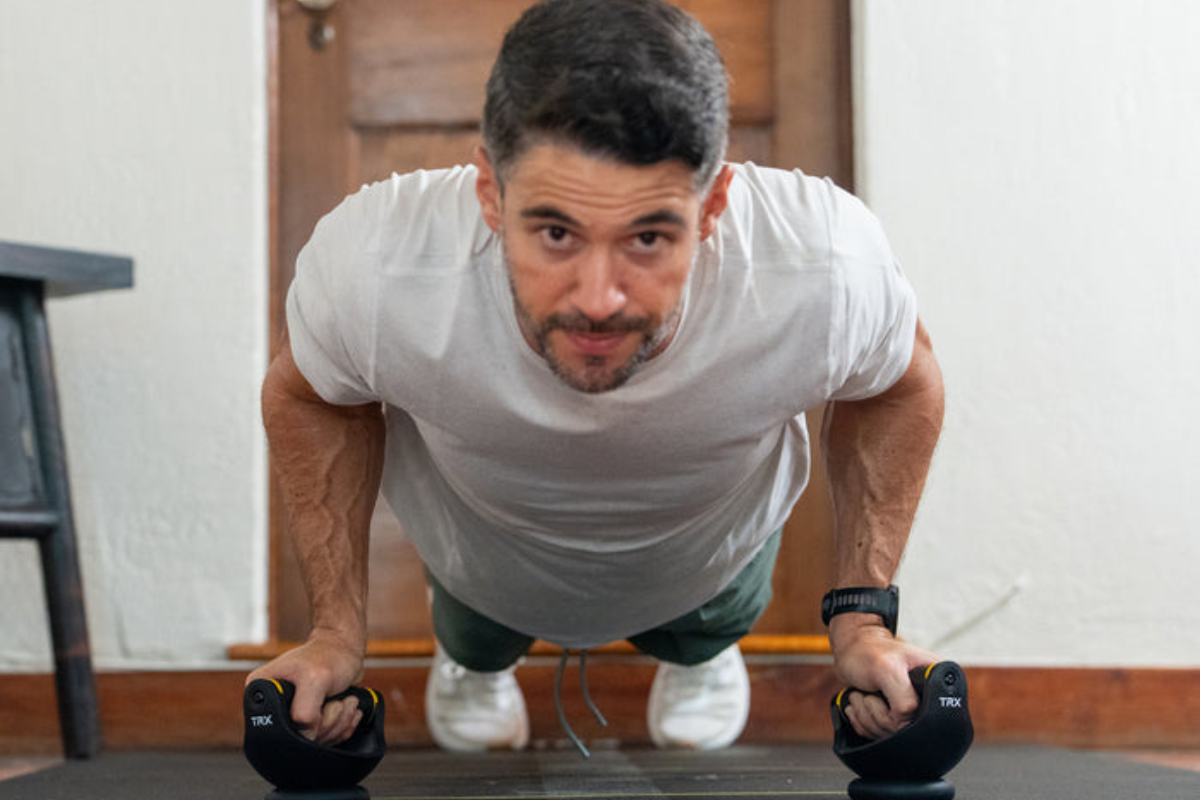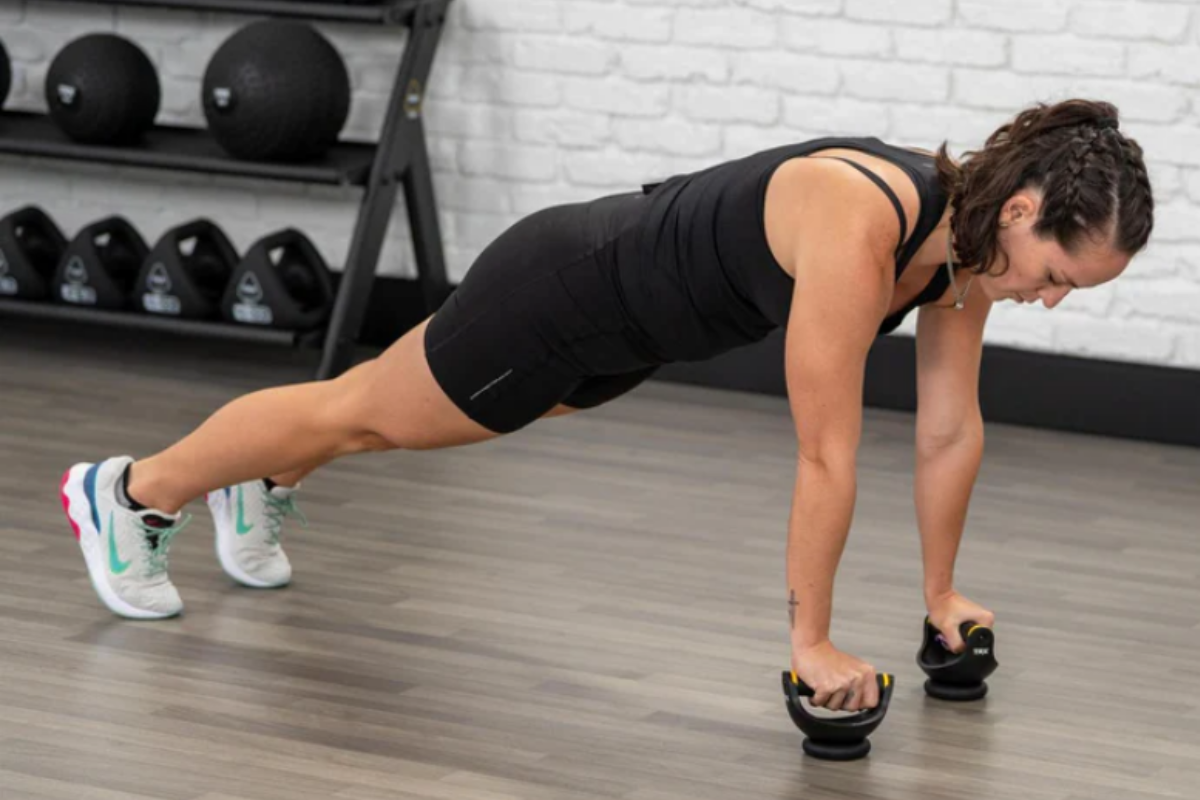

Ever wondered why fitness pros swear by wobbly surfaces and suspension straps?
Instability training uses unstable tools to challenge your balance, forcing your stabilizer muscles to fire over time and building serious core and upper body strength. By making your muscles work harder to maintain control, you'll develop coordination that most traditional exercises miss.
We'll break down the science, show you proven exercises, reveal performance benefits, and map out safe progressions to transform your training. Ready to discover why unstable might be your most stable path to strength?
What Is Instability Training?
Instability training means doing exercises on wobbly surfaces that move underneath you. Think of doing pushups on a stability ball instead of the floor, or squats on a BOSU ball that looks like half a playground ball stuck to a platform.
Your body has to fight to stay balanced on these tools (like TRX straps, balance boards, and foam pads), which makes your muscles work overtime just to keep you from falling over.
This wobble factor cranks up something called neuromuscular demand, which is basically your brain and muscles talking faster to each other to keep you upright. The principles behind this approach align closely with functional suspension training, where your body weight becomes the resistance while unstable elements amplify the challenge.
How Instability Affects Muscles and the Nervous System
The difference between stable and unstable training is like the difference between standing on concrete versus standing on a trampoline while someone shakes it. Unstable surfaces force your nervous system to wake up muscles you didn't even know you had.
Your deep stabilizers (the transverse abdominis wrapped around your midsection like a corset, the multifidus running along your spine, and the serratus anterior under your armpits) suddenly have to work together like a pit crew.
Your body literally fires more muscle fibers and sends more electrical signals just to maintain proper form, turning a basic exercise into a full-body coordination challenge that regular training can't match. This enhanced muscle stabilization creates neural adaptations that carry over into everyday movements and athletic performance.
The Core Benefits of Instability Training
Research shows that unstable surfaces significantly increase muscle activation in your stabilizer muscles compared to stable ground, forcing your body to recruit more motor units to maintain balance and control.
Your core muscles (abs, obliques, and lower back) basically go into overdrive trying to keep you from toppling over, which means you're getting more bang for your buck with every rep. Understanding why stability is important helps explain why these instability training benefits extend far beyond just building strength.
Greater Core Activation & Deep Stabilizer Recruitment
The deep stabilizers that regular crunches completely ignore suddenly become the stars of the show. Your transverse abdominis tightens like someone's about to punch you in the gut, while your multifidus muscles along your spine fire like crazy to keep everything aligned.
These muscles usually sleep through normal workouts, but instability training wakes them up and makes them work for their paycheck. This level of muscle stabilization creates a foundation that supports every stability movement pattern your body performs.
Enhanced Core Body Stability and Your Posture Control
This chaos actually makes you better at normal life stuff. Instability training teaches your trunk to stay rock solid while everything else moves, which translates to better posture when you're stuck at a desk all day and smoother movement when you're hauling groceries or playing with kids. Your spine gets the support it actually needs instead of just hoping for the best.
The stability fitness improvements you gain directly impact how your body handles daily challenges, from carrying awkward loads to maintaining balance on uneven terrain.
Improved Balance, Coordination & Proprioception
Your proprioception (fancy word for knowing where your body parts are without looking) gets sharper, too. Think of it as upgrading your body's GPS so you stop bumping into coffee tables and actually catch things people throw at you.
Your body learns to make tiny adjustments faster than you can think about them, turning you into someone who rarely trips and never falls. For those specifically concerned with lower body stability, ankle stability exercises complement upper body instability work perfectly.
Some Great Upper Body Benefits of Instability Training
When you do pushups on a stability ball or presses with TRX straps, your shoulders and arms enter a whole new dimension of difficulty.
Your upper body has to figure out how to generate force while everything underneath you is moving, which creates a completely different challenge than stable training. This is where stability training truly separates itself from conventional approaches.
Stronger Shoulder Stabilizers
Your rotator cuff muscles (those small but mighty shoulder protectors) activate like they're trying to solve a puzzle while juggling flaming torches. During unstable rows or overhead presses, your scapular stabilizers work overtime to keep your shoulder blades from wandering off like lost puppies.
This extra work builds bulletproof shoulders that can handle whatever life throws at them, reducing your risk of the shoulder injuries that sideline so many people. The joint strengthening exercises you perform on unstable surfaces create resilience that protects you during both training and daily activities.
Better Neuromuscular Coordination
The real magic happens when your muscles learn to talk to each other better. Unstable training forces your biceps, triceps, shoulders, and chest to communicate like a well-rehearsed band instead of a bunch of solo artists.
Your nervous system gets faster at sending signals, and your muscles get better at responding, creating smooth, controlled movement even when things get shaky.
Functional Strength That Transfers to Real-World Movement
This coordination pays off big time in real life: suddenly, you can catch yourself when you trip, lift heavy boxes without tweaking something, climb playground equipment with your kids, or reach for that top shelf without your shoulder clicking like a broken pen.
Athletes find they can throw harder, swimmers pull stronger, and weekend warriors survive their adventures without calling in sick on Monday. The strength you build on unstable surfaces actually means something when you're carrying groceries on ice or wrestling a suitcase into an overhead bin. This functional approach mirrors why bodyweight exercise delivers outstanding results when combined with instability elements.
What Are Some of the Best Instability Exercises for Upper Body and Core?
These exercises range from "I think I can handle this" to "why did I think this was a good idea," but they all deliver serious results by forcing your muscles to work in ways regular training can't touch.
We'll start with moves you can do right now on your bedroom floor and work up to exercises that'll make onlookers question your sanity (and secretly want to try them).
Beginner-Friendly No-Equipment Instability Exercises
Don't forget to use a bit of padding especially for the exercises you are kneeling for; yoga mat, beach towel, or just a thicker rug.
1. Bird-Dog
This classic move trains opposite arm and leg coordination while your core fights to keep you stable.
How to do it:
-
Get on all fours with hands under shoulders and knees under hips
-
Extend the right arm forward and the left leg back simultaneously
-
Hold for 10 seconds without letting your hips rotate
-
Switch sides and repeat
2. Uneven Pushups
Creating a height difference between hands forces your core to work overtime, preventing rotation.
How to do it:
-
Place one hand on the floor, the other hand on a thick book or folded towel
-
Lower chest toward the floor, keeping the body straight
-
Push back up
-
Complete all reps, then switch hand positions
3. Contralateral Limb Lifts
This sneaky ab exercise challenges stability by moving opposite limbs while keeping your back flat.
How to do it:
-
Lie on your back with your arms at your sides
-
Slowly raise right arm overhead while lowering left leg toward the floor (don't touch)
-
Return to the start and switch sides
-
Keep lower back pressed to the floor throughout
4. Single-Leg Reaches
Standing on one leg while reaching in different directions builds balance and hip stability.
How to do it:
-
Stand on the right leg
-
Reach forward like grabbing something off a shelf, then reach to the side, then behind you
-
Return to the center between each reach
-
Complete all reaches, then switch legs
TRX Suspension Trainer Exercises (Upper Body + Core)
Once you've mastered the no equipment exercises, it's time to move on to the TRX Suspension Trainer exercises to really build those instability muscles. If you're considering equipment options, comparing TRX vs resistance bands can help you understand the unique benefits of suspension training.
1. TRX Pushups
Suspended pushups add instability that makes your shoulders and core work harder than regular pushups. For detailed guidance, check out the complete TRX push-up tutorial.
How to do it:
-
Face away from the anchor point with your hands in the straps
-
Walk feet back to plank position
-
Lower chest between hands, keeping core tight
-
Press back up while fighting to keep straps stable
2. TRX Rows
This back exercise forces your entire posterior chain to work while maintaining a rigid plank position.
How to do it:
-
Face anchor point holding straps
-
Lean back with arms extended
-
Pull the chest toward the hands, squeezing the shoulder blades together
-
Lower with control, keeping the body rigid as a plank
3. TRX Face Pulls
Target your rear delts and upper back while challenging shoulder stability and core control.
How to do it:
-
Hold straps facing the anchor
-
Lean back with arms extended
-
Pull your hands toward your face with your elbows high, spreading your hands apart at the end
-
Control the return without losing tension
4. TRX Fallouts
This brutal core exercise extends your body like a human seesaw while fighting gravity.
How to do it:
-
Start in a plank with hands in straps under shoulders
-
Slowly extend arms forward, letting the body lower toward the floor
-
Pull back to start using abs and lats
5. TRX Plank Saw
Adding forward and backward movement to a plank creates dynamic instability that torches your core.
How to do it:
-
Get in plank position with feet in straps
-
Rock your body forward and backward by pushing and pulling with your arms
-
Keep hips level and core braced throughout movement
Stability Ball & BOSU Exercises
Some other instability exercises with the stability ball or the BOSU might bring a fun element into your workout. Don't pretend you didn't try to stand on one of these as a kid and fail miserably. This time we'll use it the right way.
1. Ball Rollouts
Rolling forward on a stability ball challenges your entire core to prevent your back from collapsing.
How to do it:
-
Kneel behind a stability ball with forearms on top
-
Roll the ball forward, extending arms and lowering torso
-
Pull back to start using your abs before your lower back arches
2. Stir-the-Pot
Making circles with your arms on an unstable surface creates rotational core demands from every angle.
How to do it:
-
Place forearms on the ball in the plank position
-
Make small clockwise circles with forearms for 10 reps
-
Switch to counterclockwise
-
Keep your hips still while your arms move
3. BOSU Pushups
Performing pushups on the unstable dome turns every rep into a balance and strength challenge. For progression ideas, explore TRX BOSU push-up progressions.
How to do it:
-
Place hands on the dome side of the BOSU shoulder-width apart
-
Perform pushups, keeping your core tight to prevent wobbling
-
Lower until chest nearly touches BOSU, then press up
4. BOSU Mountain Climbers
The unstable surface makes this cardio move exponentially harder on your shoulders and core.
How to do it:
-
Start in plank with hands on the BOSU dome
-
Drive the right knee toward the chest, then quickly switch legs
-
Continue alternating while keeping the upper body stable and the hips level
Balance Board / Foam Pad Exercises
Another piece of equipment that will help with your instability muscle building is the balance board. And of course adding in a foam pad for cushion here.
1. Balance Board Pushups
Pushups on a tipping platform require constant micro-adjustments from every upper body muscle.
How to do it:
-
Place hands on the balance board edges in pushup position
-
Lower chest to board, keeping it level
-
Press up without letting the edges touch the floor
2. Kneeling Overhead Press
Pressing weight overhead while kneeling on an unstable surface exposes every weakness in your core stability.
How to do it:
-
Kneel on a foam pad, holding dumbbells at your shoulders
-
Press weights overhead without letting hips shift
-
Lower with control and repeat while maintaining balance
3. Foam Pad Plank Hold
A simple plank becomes a full-body stability challenge when your base of support keeps shifting.
How to do it:
-
Place forearms on foam pad in plank position
-
Hold for 30-60 seconds, keeping the body straight from head to heels
-
Breathe normally while fighting the instability
Advanced Combo Instability Exercises
Now you can try putting some of these pieces of equipment to use at the same time.
1. TRX Atomic Pushup
This combo move attacks shoulders, chest, and abs by combining suspended pushups with knee tucks. Master the technique with the TRX atomic push-up guide.
How to do it:
-
Start in pushup position with feet in TRX straps
-
Perform a pushup, then immediately pull your knees to your chest
-
Extend legs back to plank and repeat the entire sequence
2. Stability Ball Pike to Pushup
Flowing between an inverted pike and pushup challenges strength, flexibility, and coordination simultaneously.
How to do it:
-
Start in plank with shins on the ball
-
Pull your hips up into pike position, rolling the ball toward your hands
-
Lower back to plank, then perform pushup
-
That's one rep
3. BOSU Burpee Variations
Adding an unstable surface to burpees creates a full-body nightmare that builds explosive power and stability.
How to do it:
-
Stand holding the BOSU dome side down
-
Place the BOSU on the floor and jump back to the plank
-
Do pushup on BOSU
-
Jump feet back in
-
Stand and press the BOSU overhead
How to Program Instability Training for Best Results
Instability training works best as a supplement to regular strength training, not a replacement. Start with one unstable exercise per workout and gradually add more as your coordination improves.
Progress by adding time, reps, or wobblier surfaces rather than jumping straight to advanced moves that'll have you face-planting. Your nervous system needs 48-72 hours to recover from instability work, so limit sessions to 2-3 times per week.
Program instability work in phases: spend 3-4 weeks mastering basic moves on slightly unstable surfaces before progressing to harder tools or variations. Never sacrifice form for difficulty.
The sweet spot is feeling challenged but controlled, where you're working hard to stay stable without flailing around like you're fighting invisible bees. For structured programming, consider following a 4-week workout plan that incorporates progressive instability elements.
Sets, Reps & Progression Guidelines
Here are a few guidelines to make sure you are on a healthy path:
Beginners (First 4-6 weeks):
-
2-3 sets of 8-12 reps for movement exercises
-
20-30 second holds for static positions
-
Rest 60-90 seconds between sets (your nervous system needs it)
-
Focus on one unstable surface at a time
-
Master bodyweight before adding any external load
Intermediate (After solid foundation):
-
3-4 sets of 10-15 reps or 30-45 second holds
-
Add variations like single-arm or single-leg versions
-
Combine two unstable elements (like TRX plus foam pad)
-
Rest 45-60 seconds between sets
-
Add light dumbbells or medicine balls
Advanced (When intermediate feels easy):
-
3-5 sets of complex combo movements
-
45-60 second holds or 15-20 reps of dynamic moves
-
Chain exercises together without rest
-
Use maximum instability tools (BOSU ball flat-side up)
-
Add explosive movements or direction changes
Sample Upper Body + Core Workouts
Here are some workouts put together with the exercises we have just learned:
Beginner Circuit (repeat 2-3 rounds):
-
Uneven pushups (hands on book): 8-10 reps each side
-
Bird-dog holds: 20 seconds each side
-
Standing single-leg reaches: 8 reps each direction
-
Modified plank on knees with arm lifts: 10 reps each arm
-
Wall pushups with one hand on foam pad: 10 reps each side
-
Rest 90 seconds between rounds
Advanced TRX + Instability Circuit (repeat 3-4 rounds):
-
TRX atomic pushups: 12-15 reps
-
BOSU burpee to overhead press: 10 reps
-
Stability ball pike to pushup: 8-10 reps
-
TRX fallouts: 12-15 reps
-
Balance board pushups with knee tuck: 10 reps
-
TRX plank saw: 30 seconds
-
Rest 60 seconds between rounds or collapse, whichever comes first
For those with limited space, these movements work perfectly in TRX small space workouts where you can maximize results without needing a full gym setup.
Making Instability Your Stability Superpower
Before adding instability training, your stabilizer muscles stay asleep during regular workouts while your core coasts through standard exercises.
After incorporating unstable surfaces into your routine, you'll activate muscle fibers that normal training ignores and develop core strength that actually shows up when you need it.
Start simple with uneven pushups or bird-dogs, then gradually progress to TRX straps and stability balls as your body adapts.
The payoff goes beyond the gym: you'll move with better coordination, prevent injuries before they happen, and build functional strength that translates to everything from sports to daily life. Sometimes the best way to build rock-solid stability is to make things a little unstable first.
The instability training benefits you gain create a foundation for every stability movement your body performs, from catching yourself on ice to maintaining perfect form during heavy lifts. This is stability fitness at its finest—challenging your body in ways that build real-world resilience.
References
Behm, David G., et al. "Instability Resistance Training: A Contemporary Systematic Review and Meta-Analysis." Frontiers in Physiology, vol. 15, 2024, www.frontiersin.org/journals/physiology/articles/10.3389/fphys.2024.1434918/full. Accessed 16 Dec. 2025.
"Stable vs. Unstable Exercise Surface." ACE Physical Therapy and Sports Medicine Institute, American Council on Exercise, ace-pt.org/ace-physical-therapy-and-sports-medicine-stable-vs-unstable-exercise-surface/. Accessed 16 Dec. 2025.